
High Voltage Transmission Systems
High Voltage Transmission Systems refer to the technology and infrastructure used to transport electrical energy over long distances at high voltages. This skill encompasses the design, operation, and maintenance of transmission lines, subs...
Skills Hierarchy and Tags
Related Skills
Browse the most common related skills to this skill, based on the last 5 months of job postings data.
How does Lightcast define a skill?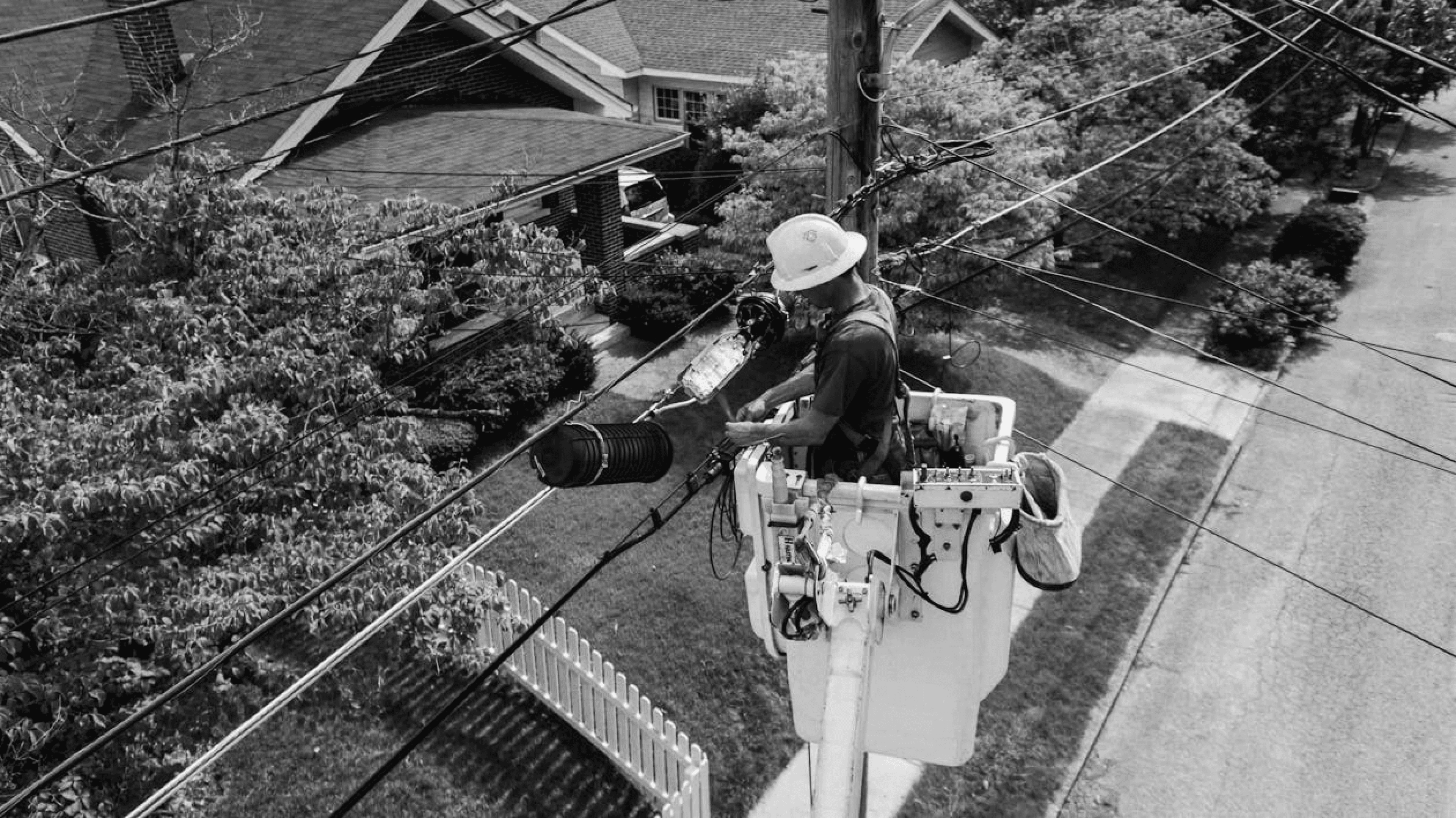
High Voltage refers to electrical systems and equipment that operate at voltages significantly higher than standard levels, typically above 1000 volts. This skill encompasses knowledge of safety protocols, equipment design, and maintenance practices necessary for working with high voltage systems. Understanding High Voltage is used to ensure safe operation, prevent electrical hazards, and facilitate the efficient transmission and distribution of electrical power in various applications, including industrial and utility settings.
Insulator refers to a material or substance that inhibits the flow of electricity, heat, or sound. This skill encompasses the understanding of various insulating materials and their properties, which are essential for preventing energy loss and ensuring safety in electrical systems. Knowledge of Insulator is used in applications such as electrical wiring, thermal management, and soundproofing, where effective insulation is critical for performance and efficiency.
Single-phase electric power refers to a type of electrical power transmission in which a single alternating current (AC) waveform is used to transmit electrical energy from power plants to consumers. This type of power is commonly used in domestic and small commercial applications, and requires specialized knowledge and skill to install, maintain and troubleshoot. Electricians and other electrical service professionals must be familiar with single-phase power systems and the specific tools, equipment and techniques required to work safely and effectively with this type of electrical power. A solid understanding of electrical theory, circuit design and electrical safety is essential for anyone working in this field.
Switchgear refers to the combination of electrical disconnect switches, fuses, or circuit breakers used to control, protect, and isolate electrical equipment. This skill encompasses the design, installation, and maintenance of switchgear systems, which are essential for ensuring the safe and reliable operation of electrical power distribution networks. Knowledge of Switchgear is utilized to manage electrical loads, protect circuits from overloads and faults, and facilitate maintenance activities by allowing safe access to equipment.
Voltage refers to the electric potential difference between two points in an electric circuit, which drives the flow of electric current. It is measured in volts and represents the force that pushes electrons through a conductor. Voltage is used to determine the energy required to move a charge between two points and is crucial in the functioning of electrical systems and devices. It is a key factor in designing and analyzing circuits, as well as ensuring proper electrical performance.
Lightcast Skills Taxonomy

Lightcast Skills Resources

Plumbers’ Salaries in the US: Pay and Purchasing Power by State

Electricians’ Salaries in the US: Pay and Purchasing Power by State

Where Talent Wants to Be: The 2026 Talent Attraction Scorecard
Skills Hierarchy and Tags
Related Skills
Browse the most common related skills to this skill, based on the last 5 months of job postings data.
How does Lightcast define a skill?High Voltage refers to electrical systems and equipment that operate at voltages significantly higher than standard levels, typically above 1000 volts. This skill encompasses knowledge of safety protocols, equipment design, and maintenance practices necessary for working with high voltage systems. Understanding High Voltage is used to ensure safe operation, prevent electrical hazards, and facilitate the efficient transmission and distribution of electrical power in various applications, including industrial and utility settings.
Insulator refers to a material or substance that inhibits the flow of electricity, heat, or sound. This skill encompasses the understanding of various insulating materials and their properties, which are essential for preventing energy loss and ensuring safety in electrical systems. Knowledge of Insulator is used in applications such as electrical wiring, thermal management, and soundproofing, where effective insulation is critical for performance and efficiency.
Single-phase electric power refers to a type of electrical power transmission in which a single alternating current (AC) waveform is used to transmit electrical energy from power plants to consumers. This type of power is commonly used in domestic and small commercial applications, and requires specialized knowledge and skill to install, maintain and troubleshoot. Electricians and other electrical service professionals must be familiar with single-phase power systems and the specific tools, equipment and techniques required to work safely and effectively with this type of electrical power. A solid understanding of electrical theory, circuit design and electrical safety is essential for anyone working in this field.
Switchgear refers to the combination of electrical disconnect switches, fuses, or circuit breakers used to control, protect, and isolate electrical equipment. This skill encompasses the design, installation, and maintenance of switchgear systems, which are essential for ensuring the safe and reliable operation of electrical power distribution networks. Knowledge of Switchgear is utilized to manage electrical loads, protect circuits from overloads and faults, and facilitate maintenance activities by allowing safe access to equipment.
Voltage refers to the electric potential difference between two points in an electric circuit, which drives the flow of electric current. It is measured in volts and represents the force that pushes electrons through a conductor. Voltage is used to determine the energy required to move a charge between two points and is crucial in the functioning of electrical systems and devices. It is a key factor in designing and analyzing circuits, as well as ensuring proper electrical performance.
Lightcast Skills Taxonomy
Lightcast Skills Resources
Plumbers’ Salaries in the US: Pay and Purchasing Power by State
Electricians’ Salaries in the US: Pay and Purchasing Power by State
Where Talent Wants to Be: The 2026 Talent Attraction Scorecard
Get API Access
This skill is part of the Lightcast Skills Taxonomy, a library of over 35,000 job related skills. It is the standard used by higher education institutions, public sector organizations and Fortune 500 companies around the globe.