
Product Inspection
Product Inspection is a process of examining a product or its components to ensure that they meet certain specifications and standards. It involves specific skills and knowledge related to the product, industry regulations, and quality cont...
Skills Hierarchy and Tags
Related Skills
Browse the most common related skills to this skill, based on the last 5 months of job postings data.
How does Lightcast define a skill?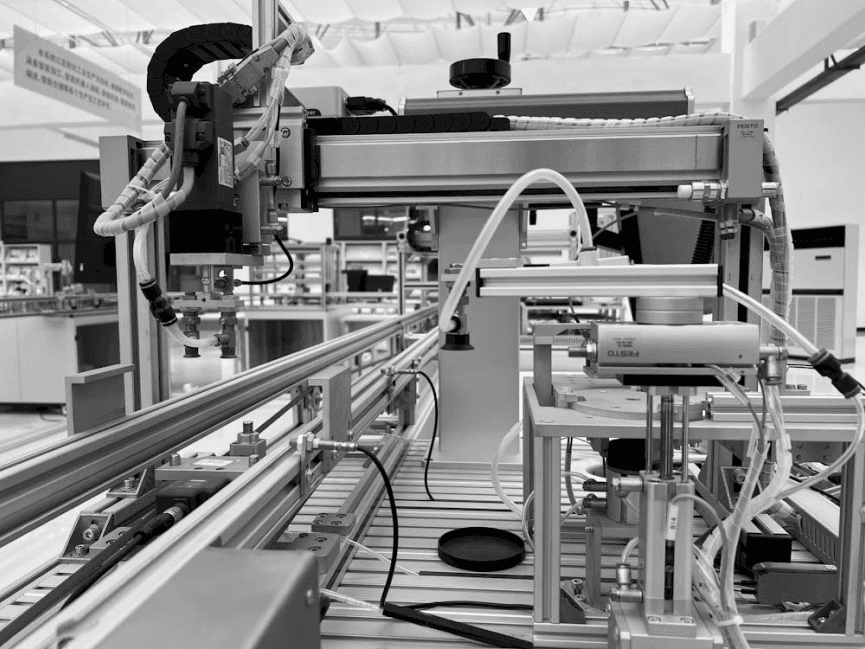
Assembly lines are a specialized skill that involves setting up and managing a streamlined process for manufacturing goods. This process typically involves breaking down the production into various task stages, assigning specific tasks to workers, and ensuring that timelines are met. To be successful in this field, a person needs strong organizational skills, technical know-how, and the ability to work well under pressure.
Continuous Production refers to a manufacturing process that operates without interruption, allowing for the constant output of goods. This skill involves the integration of automated systems, real-time monitoring, and efficient resource management to maintain a steady flow of production. Knowledge of Continuous Production is used to optimize workflows, reduce downtime, and enhance overall productivity in various industrial settings. It enables organizations to meet demand consistently while minimizing waste and operational costs.
Machine operation refers to the ability to operate and manage machinery, equipment, or other technology used in a specific industry. It requires specialized skills such as technical knowledge, hand-eye coordination, and the ability to troubleshoot and solve problems. Machine operators may work in a variety of fields, including manufacturing, construction, and transportation, and must be trained to operate and maintain equipment safely and efficiently.
Production Line refers to a manufacturing process in which products are assembled in a sequential manner, typically using a series of workstations and machinery. This skill encompasses the understanding of workflow optimization, resource allocation, and quality control measures that enhance efficiency and productivity in production settings. Knowledge of Production Line is used to streamline operations, reduce waste, and ensure consistent product quality by coordinating tasks and managing the flow of materials.
Visual inspections refer to a specialized skill that involves evaluating the condition of a product or structure by examining it with the naked eye or specialized equipment. Visual inspectors are trained to identify defects, faults, or other issues that may impact the quality, safety, or performance of the item being inspected. This skill is often required in industries such as manufacturing, construction, and aviation, and is critical for ensuring the integrity and reliability of products and structures.
Lightcast Skills Taxonomy
Looking for a specific skill? Search our library. Explore 35,000+ skills that we've collected from hundreds of millions of job postings, resumes, and online profiles.
The Lightcast Skills Taxonomy delivers clarity by allowing everyone to speak the same language. Use our APIs to articulate your skills needs, and leave the details to us: our dedicated team of taxonomists and engineers cleans, checks, and updates each entry so that you always have the most accurate and up-to-date picture of the labor market.
Are you a nonprofit pursuing a public good? Lightcast Skills APIs are freely available to you because we believe in using data for good and creating a labor market that works for everyone. Through the shared language of skills, we can enable a world where every worker and every job can find their best fits as efficiently and easily as possible.
Browse Skill Categories

Lightcast Skills Resources

How Many Jobs Does a Data Center Create? Construction vs. Permanent Jobs

Connecting Students to What Comes Next

His Six-Year Business Plan Took 23 Years. He Never Let It Go.
Skills Hierarchy and Tags
Related Skills
Browse the most common related skills to this skill, based on the last 5 months of job postings data.
How does Lightcast define a skill?Assembly lines are a specialized skill that involves setting up and managing a streamlined process for manufacturing goods. This process typically involves breaking down the production into various task stages, assigning specific tasks to workers, and ensuring that timelines are met. To be successful in this field, a person needs strong organizational skills, technical know-how, and the ability to work well under pressure.
Continuous Production refers to a manufacturing process that operates without interruption, allowing for the constant output of goods. This skill involves the integration of automated systems, real-time monitoring, and efficient resource management to maintain a steady flow of production. Knowledge of Continuous Production is used to optimize workflows, reduce downtime, and enhance overall productivity in various industrial settings. It enables organizations to meet demand consistently while minimizing waste and operational costs.
Machine operation refers to the ability to operate and manage machinery, equipment, or other technology used in a specific industry. It requires specialized skills such as technical knowledge, hand-eye coordination, and the ability to troubleshoot and solve problems. Machine operators may work in a variety of fields, including manufacturing, construction, and transportation, and must be trained to operate and maintain equipment safely and efficiently.
Production Line refers to a manufacturing process in which products are assembled in a sequential manner, typically using a series of workstations and machinery. This skill encompasses the understanding of workflow optimization, resource allocation, and quality control measures that enhance efficiency and productivity in production settings. Knowledge of Production Line is used to streamline operations, reduce waste, and ensure consistent product quality by coordinating tasks and managing the flow of materials.
Visual inspections refer to a specialized skill that involves evaluating the condition of a product or structure by examining it with the naked eye or specialized equipment. Visual inspectors are trained to identify defects, faults, or other issues that may impact the quality, safety, or performance of the item being inspected. This skill is often required in industries such as manufacturing, construction, and aviation, and is critical for ensuring the integrity and reliability of products and structures.
Lightcast Skills Taxonomy
Looking for a specific skill? Search our library. Explore 35,000+ skills that we've collected from hundreds of millions of job postings, resumes, and online profiles.
The Lightcast Skills Taxonomy delivers clarity by allowing everyone to speak the same language. Use our APIs to articulate your skills needs, and leave the details to us: our dedicated team of taxonomists and engineers cleans, checks, and updates each entry so that you always have the most accurate and up-to-date picture of the labor market.
Are you a nonprofit pursuing a public good? Lightcast Skills APIs are freely available to you because we believe in using data for good and creating a labor market that works for everyone. Through the shared language of skills, we can enable a world where every worker and every job can find their best fits as efficiently and easily as possible.
Browse Skill Categories
Lightcast Skills Resources
How Many Jobs Does a Data Center Create? Construction vs. Permanent Jobs
Connecting Students to What Comes Next
His Six-Year Business Plan Took 23 Years. He Never Let It Go.
Get API Access
This skill is part of the Lightcast Skills Taxonomy, a library of over 35,000 job related skills. It is the standard used by higher education institutions, public sector organizations and Fortune 500 companies around the globe.