
Natural Gas
Natural Gas refers to a fossil fuel primarily composed of methane, used as an energy source for heating, electricity generation, and as a feedstock in various industrial processes. This skill encompasses knowledge of extraction, processing,...
Skills Hierarchy and Tags
Related Skills
Browse the most common related skills to this skill, based on the last 5 months of job postings data.
How does Lightcast define a skill?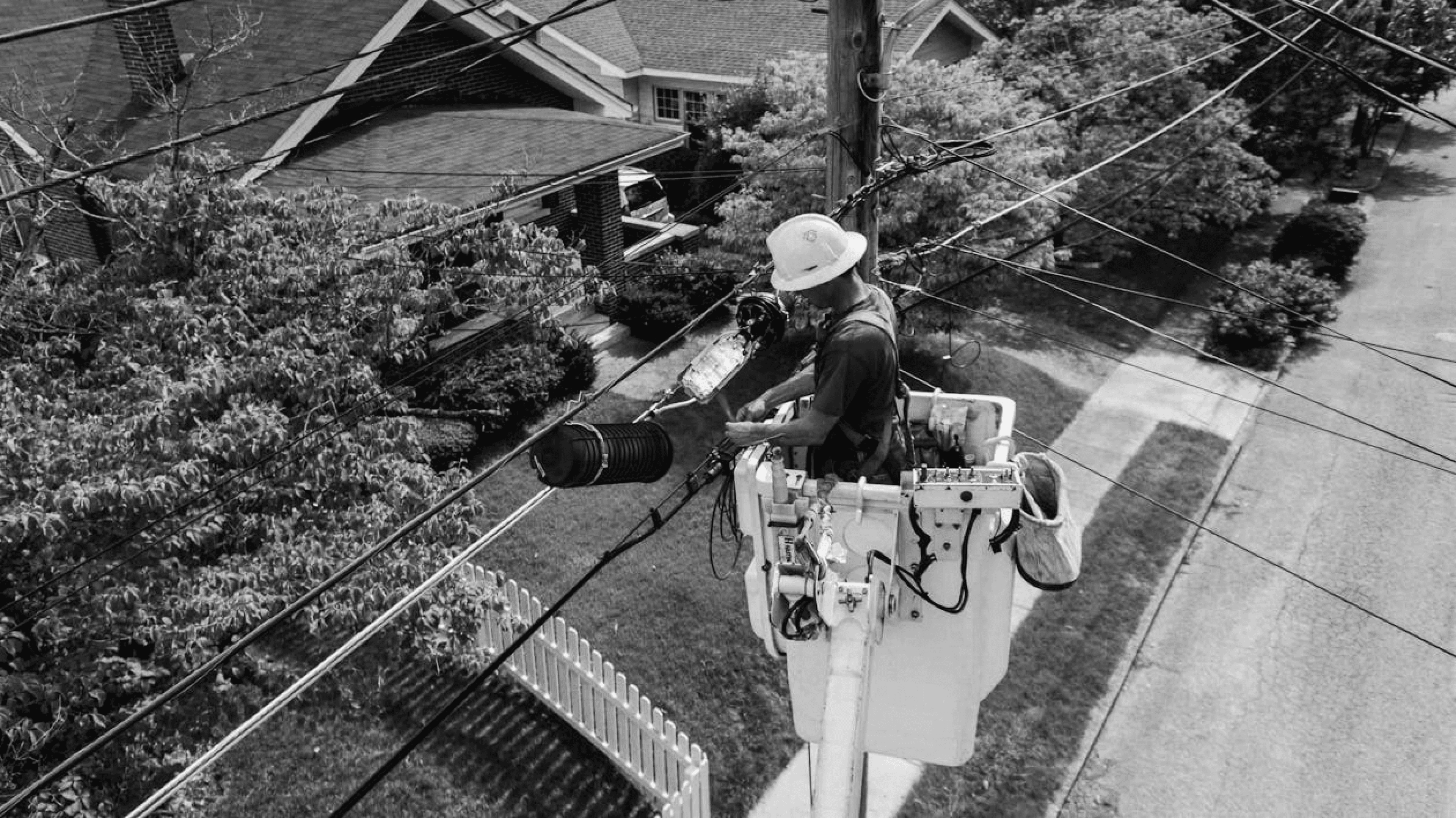
Cathodic Protection refers to a technique used to prevent corrosion of metal surfaces by making them the cathode of an electrochemical cell. This skill involves the application of direct current or the use of sacrificial anodes to mitigate the effects of corrosion in structures such as pipelines, tanks, and marine vessels. Knowledge of Cathodic Protection is utilized to design and implement systems that enhance the longevity and integrity of metal infrastructure by controlling electrochemical reactions.
Journeyman Lineman certification signifies expertise in installing, repairing, and maintaining electrical power systems, typically within the utility industry. Linemen with this certification possess advanced skills in working with high-voltage power lines, transformers, and other electrical equipment. They ensure the reliable transmission and distribution of electricity to homes, businesses, and other facilities by safely performing tasks such as climbing poles, stringing wires, and troubleshooting electrical issues, ultimately contributing to the efficient operation of electrical infrastructure.
Pumping Systems refers to the principles and practices involved in selecting, operating, and maintaining systems that move liquids or gases from one place to another. The skill is used to support fluid transfer, pressure control, circulation, and distribution in industrial, commercial, and infrastructure settings. It includes understanding system components, performance requirements, and safe operation to help ensure reliable flow and service.
Refinery Experience refers to the knowledge and practical understanding of processes involved in the refining of raw materials, particularly petroleum and other hydrocarbons. This skill encompasses familiarity with refining operations, equipment, safety protocols, and environmental regulations that govern the industry. Refinery Experience is used to optimize production efficiency, ensure compliance with safety standards, and implement best practices in the management of refining processes. It enables the user to contribute effectively to operational improvements and problem-solving within refinery settings.
Storage Tanks refers to the knowledge and practice of storing liquids or gases in fixed or portable containers for controlled handling in work environments. It includes understanding tank types, materials, capacity, and basic safety requirements to support storage, transfer, and containment tasks. The skill is applied in industrial, agricultural, utility, and processing settings for operating, inspecting, and maintaining storage systems.
Lightcast Skills Taxonomy
Looking for a specific skill? Search our library. Explore 35,000+ skills that we've collected from hundreds of millions of job postings, resumes, and online profiles.
The Lightcast Skills Taxonomy delivers clarity by allowing everyone to speak the same language. Use our APIs to articulate your skills needs, and leave the details to us: our dedicated team of taxonomists and engineers cleans, checks, and updates each entry so that you always have the most accurate and up-to-date picture of the labor market.
Are you a nonprofit pursuing a public good? Lightcast Skills APIs are freely available to you because we believe in using data for good and creating a labor market that works for everyone. Through the shared language of skills, we can enable a world where every worker and every job can find their best fits as efficiently and easily as possible.
Browse Skill Categories

Lightcast Skills Resources

The Lightcast Skills Taxonomy

Stop Predicting the Future. Start Preparing for It.

How Many Jobs Does a Data Center Create? Construction vs. Permanent Jobs
Skills Hierarchy and Tags
Related Skills
Browse the most common related skills to this skill, based on the last 5 months of job postings data.
How does Lightcast define a skill?Cathodic Protection refers to a technique used to prevent corrosion of metal surfaces by making them the cathode of an electrochemical cell. This skill involves the application of direct current or the use of sacrificial anodes to mitigate the effects of corrosion in structures such as pipelines, tanks, and marine vessels. Knowledge of Cathodic Protection is utilized to design and implement systems that enhance the longevity and integrity of metal infrastructure by controlling electrochemical reactions.
Journeyman Lineman certification signifies expertise in installing, repairing, and maintaining electrical power systems, typically within the utility industry. Linemen with this certification possess advanced skills in working with high-voltage power lines, transformers, and other electrical equipment. They ensure the reliable transmission and distribution of electricity to homes, businesses, and other facilities by safely performing tasks such as climbing poles, stringing wires, and troubleshooting electrical issues, ultimately contributing to the efficient operation of electrical infrastructure.
Pumping Systems refers to the principles and practices involved in selecting, operating, and maintaining systems that move liquids or gases from one place to another. The skill is used to support fluid transfer, pressure control, circulation, and distribution in industrial, commercial, and infrastructure settings. It includes understanding system components, performance requirements, and safe operation to help ensure reliable flow and service.
Refinery Experience refers to the knowledge and practical understanding of processes involved in the refining of raw materials, particularly petroleum and other hydrocarbons. This skill encompasses familiarity with refining operations, equipment, safety protocols, and environmental regulations that govern the industry. Refinery Experience is used to optimize production efficiency, ensure compliance with safety standards, and implement best practices in the management of refining processes. It enables the user to contribute effectively to operational improvements and problem-solving within refinery settings.
Storage Tanks refers to the knowledge and practice of storing liquids or gases in fixed or portable containers for controlled handling in work environments. It includes understanding tank types, materials, capacity, and basic safety requirements to support storage, transfer, and containment tasks. The skill is applied in industrial, agricultural, utility, and processing settings for operating, inspecting, and maintaining storage systems.
Lightcast Skills Taxonomy
Looking for a specific skill? Search our library. Explore 35,000+ skills that we've collected from hundreds of millions of job postings, resumes, and online profiles.
The Lightcast Skills Taxonomy delivers clarity by allowing everyone to speak the same language. Use our APIs to articulate your skills needs, and leave the details to us: our dedicated team of taxonomists and engineers cleans, checks, and updates each entry so that you always have the most accurate and up-to-date picture of the labor market.
Are you a nonprofit pursuing a public good? Lightcast Skills APIs are freely available to you because we believe in using data for good and creating a labor market that works for everyone. Through the shared language of skills, we can enable a world where every worker and every job can find their best fits as efficiently and easily as possible.
Browse Skill Categories
Lightcast Skills Resources
The Lightcast Skills Taxonomy
Stop Predicting the Future. Start Preparing for It.
How Many Jobs Does a Data Center Create? Construction vs. Permanent Jobs
Get API Access
This skill is part of the Lightcast Skills Taxonomy, a library of over 35,000 job related skills. It is the standard used by higher education institutions, public sector organizations and Fortune 500 companies around the globe.