
Electromechanical Assembly
Electromechanical Assembly refers to the process of integrating electrical and mechanical components to create functional devices or systems. This skill involves understanding the principles of both electrical engineering and mechanical des...
Skills Hierarchy and Tags
Related Skills
Browse the most common related skills to this skill, based on the last 5 months of job postings data.
How does Lightcast define a skill?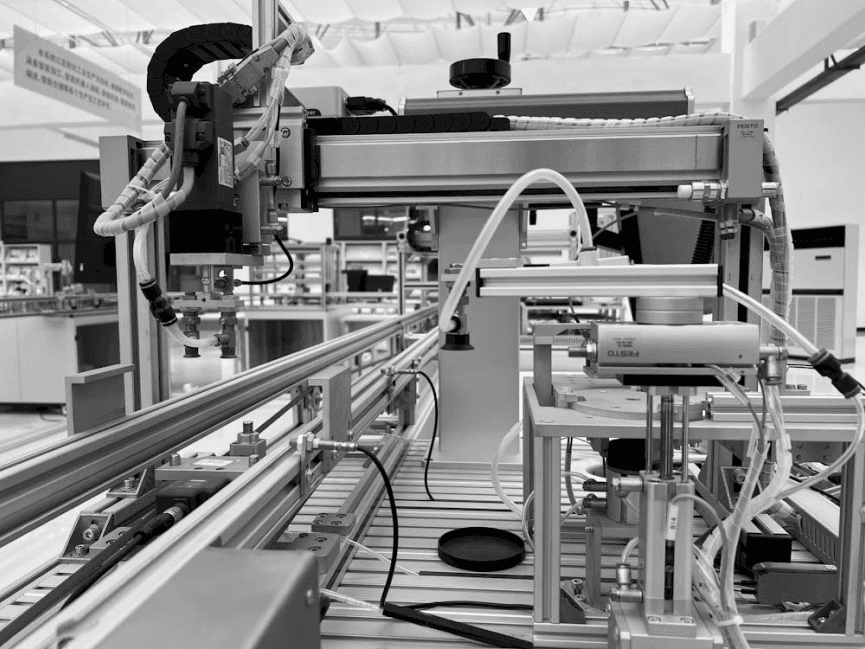
Assembly Drawing refers to a technical illustration that depicts how various components fit together to form a complete assembly. This skill involves creating detailed diagrams that include dimensions, annotations, and specifications necessary for the assembly process. Knowledge of Assembly Drawing is used to communicate assembly instructions clearly, ensuring that parts are assembled correctly and efficiently in manufacturing and construction contexts.
Conformal coating is the process of applying a protective coating to electronic components to prevent damage from environmental factors such as moisture, dust, and temperature. It requires specialized skills and equipment to ensure proper application and adherence to industry standards. The coating is typically made of a chemical compound that dries to form a thin film over the surface of the component. The application of conformal coating helps to improve the lifespan and reliability of electronic devices.
Crimping refers to the process of joining or securing materials by compressing a connector, sleeve, or fastener around them. It is used in work settings to create reliable electrical terminations, attach fittings, or secure components in assembly and maintenance tasks. The skill requires selecting suitable tools and applying consistent force to produce a stable connection that meets required specifications.
Mechanical Assembly refers to the process of putting together various mechanical components to create a complete system or device. This skill involves understanding technical drawings, specifications, and assembly techniques to ensure proper fit and function of parts. Knowledge of Mechanical Assembly is used in manufacturing and engineering contexts to produce machinery, equipment, and other mechanical systems, ensuring they operate efficiently and safely.
Wire harness assembly is the process of creating a custom-designed bundle of wires and cables that are bound together using connectors, sleeves, and other hardware. It involves a specialized skill set that requires a deep understanding of electrical systems, wire and cable properties, assembly techniques, and quality control. Wire harnesses are used in a variety of applications, from automotive and aerospace industries to consumer electronics and medical devices. Proper design, fabrication, and testing of wire harnesses are critical for ensuring safety, reliability, and efficiency of the end product.
Lightcast Skills Taxonomy

Lightcast Skills Resources

Plumbers’ Salaries in the US: Pay and Purchasing Power by State

Electricians’ Salaries in the US: Pay and Purchasing Power by State

Where Talent Wants to Be: The 2026 Talent Attraction Scorecard
Skills Hierarchy and Tags
Related Skills
Browse the most common related skills to this skill, based on the last 5 months of job postings data.
How does Lightcast define a skill?Assembly Drawing refers to a technical illustration that depicts how various components fit together to form a complete assembly. This skill involves creating detailed diagrams that include dimensions, annotations, and specifications necessary for the assembly process. Knowledge of Assembly Drawing is used to communicate assembly instructions clearly, ensuring that parts are assembled correctly and efficiently in manufacturing and construction contexts.
Conformal coating is the process of applying a protective coating to electronic components to prevent damage from environmental factors such as moisture, dust, and temperature. It requires specialized skills and equipment to ensure proper application and adherence to industry standards. The coating is typically made of a chemical compound that dries to form a thin film over the surface of the component. The application of conformal coating helps to improve the lifespan and reliability of electronic devices.
Crimping refers to the process of joining or securing materials by compressing a connector, sleeve, or fastener around them. It is used in work settings to create reliable electrical terminations, attach fittings, or secure components in assembly and maintenance tasks. The skill requires selecting suitable tools and applying consistent force to produce a stable connection that meets required specifications.
Mechanical Assembly refers to the process of putting together various mechanical components to create a complete system or device. This skill involves understanding technical drawings, specifications, and assembly techniques to ensure proper fit and function of parts. Knowledge of Mechanical Assembly is used in manufacturing and engineering contexts to produce machinery, equipment, and other mechanical systems, ensuring they operate efficiently and safely.
Wire harness assembly is the process of creating a custom-designed bundle of wires and cables that are bound together using connectors, sleeves, and other hardware. It involves a specialized skill set that requires a deep understanding of electrical systems, wire and cable properties, assembly techniques, and quality control. Wire harnesses are used in a variety of applications, from automotive and aerospace industries to consumer electronics and medical devices. Proper design, fabrication, and testing of wire harnesses are critical for ensuring safety, reliability, and efficiency of the end product.
Lightcast Skills Taxonomy
Lightcast Skills Resources
Plumbers’ Salaries in the US: Pay and Purchasing Power by State
Electricians’ Salaries in the US: Pay and Purchasing Power by State
Where Talent Wants to Be: The 2026 Talent Attraction Scorecard
Get API Access
This skill is part of the Lightcast Skills Taxonomy, a library of over 35,000 job related skills. It is the standard used by higher education institutions, public sector organizations and Fortune 500 companies around the globe.