
Medium Voltage
Medium Voltage refers to electrical systems that operate at voltages typically between 1 kV and 35 kV. This skill encompasses the design, installation, and maintenance of medium voltage equipment, including transformers, switchgear, and dis...
Skills Hierarchy and Tags
Related Skills
Browse the most common related skills to this skill, based on the last 5 months of job postings data.
How does Lightcast define a skill?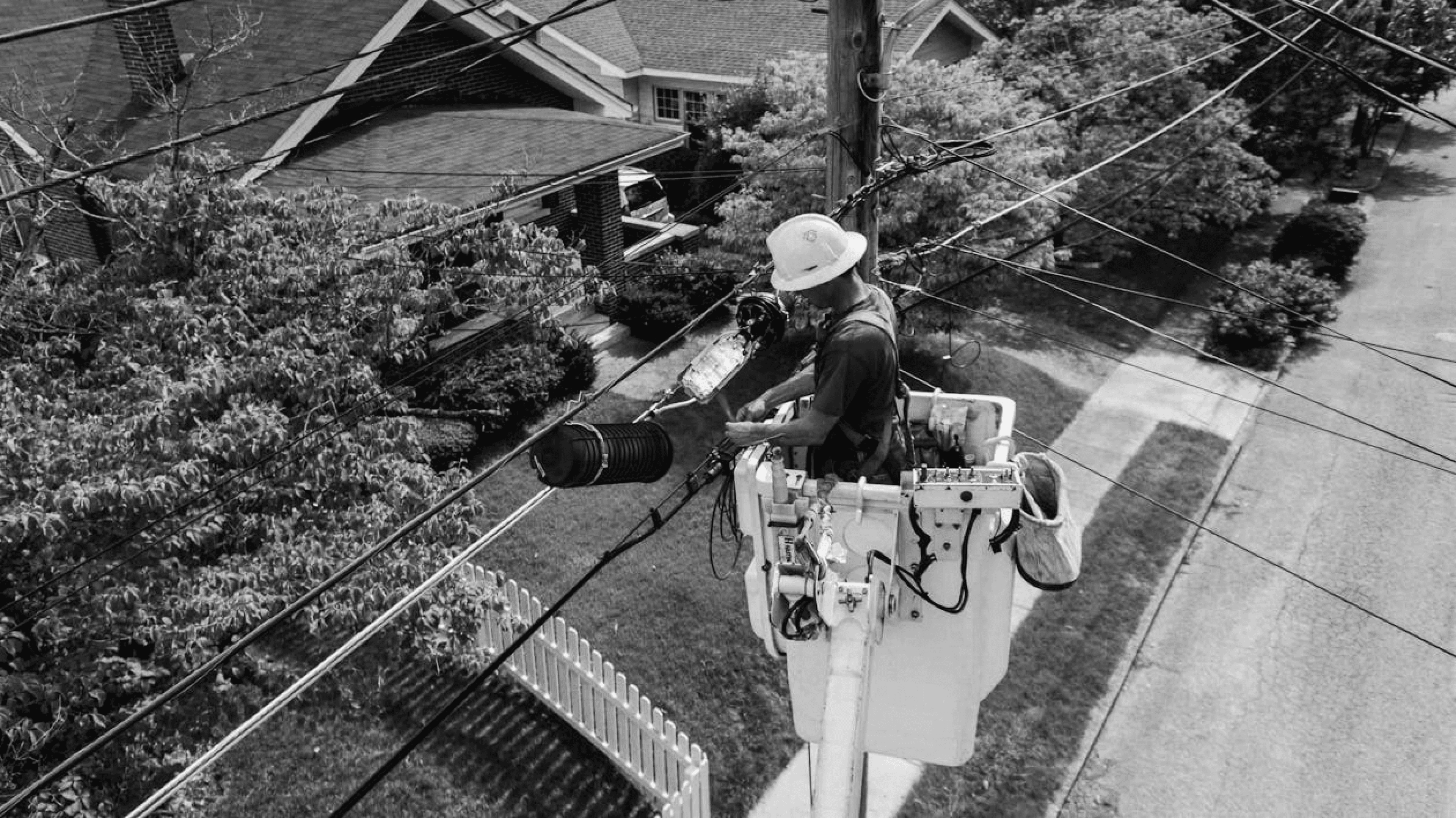
Electric Power Distribution refers to the process of delivering electrical energy from transmission systems to individual consumers and businesses. This skill encompasses the design, operation, and maintenance of distribution networks, including substations, transformers, and power lines, to ensure reliable and efficient electricity supply. Knowledge of Electric Power Distribution is used to manage load balancing, minimize outages, and enhance system performance while adhering to safety and regulatory standards.
An electrical substation is a specialized facility that converts high voltage electricity from generators into lower voltage electricity suitable for distribution to homes and businesses. It requires skilled technicians to operate and maintain its components including transformers, circuit breakers, and protective relays to ensure electrical power is delivered safely and efficiently to customers.
One-Line Diagram refers to a simplified representation of an electrical system, illustrating the connections and components in a single line format. This skill encompasses the ability to create and interpret diagrams that convey essential information about the system's layout, including power sources, loads, and protective devices. Knowledge of One-Line Diagram is used to facilitate system analysis, design, and troubleshooting by providing a clear overview of electrical circuits and their interrelationships.
Protective Relaying refers to the design, selection, and application of relay systems that detect abnormal conditions in electrical power networks and initiate protective actions. It is used to monitor equipment and lines, identify faults or unsafe operating states, and isolate affected sections to support system reliability and safety. In work settings, the skill is applied in power generation, transmission, and distribution environments to coordinate protection settings, support troubleshooting, and help maintain continuous service.
Switchgear refers to the combination of electrical disconnect switches, fuses, or circuit breakers used to control, protect, and isolate electrical equipment. This skill encompasses the design, installation, and maintenance of switchgear systems, which are essential for ensuring the safe and reliable operation of electrical power distribution networks. Knowledge of Switchgear is utilized to manage electrical loads, protect circuits from overloads and faults, and facilitate maintenance activities by allowing safe access to equipment.
Lightcast Skills Taxonomy

Lightcast Skills Resources

Plumbers’ Salaries in the US: Pay and Purchasing Power by State

Electricians’ Salaries in the US: Pay and Purchasing Power by State

Where Talent Wants to Be: The 2026 Talent Attraction Scorecard
Skills Hierarchy and Tags
Related Skills
Browse the most common related skills to this skill, based on the last 5 months of job postings data.
How does Lightcast define a skill?Electric Power Distribution refers to the process of delivering electrical energy from transmission systems to individual consumers and businesses. This skill encompasses the design, operation, and maintenance of distribution networks, including substations, transformers, and power lines, to ensure reliable and efficient electricity supply. Knowledge of Electric Power Distribution is used to manage load balancing, minimize outages, and enhance system performance while adhering to safety and regulatory standards.
An electrical substation is a specialized facility that converts high voltage electricity from generators into lower voltage electricity suitable for distribution to homes and businesses. It requires skilled technicians to operate and maintain its components including transformers, circuit breakers, and protective relays to ensure electrical power is delivered safely and efficiently to customers.
One-Line Diagram refers to a simplified representation of an electrical system, illustrating the connections and components in a single line format. This skill encompasses the ability to create and interpret diagrams that convey essential information about the system's layout, including power sources, loads, and protective devices. Knowledge of One-Line Diagram is used to facilitate system analysis, design, and troubleshooting by providing a clear overview of electrical circuits and their interrelationships.
Protective Relaying refers to the design, selection, and application of relay systems that detect abnormal conditions in electrical power networks and initiate protective actions. It is used to monitor equipment and lines, identify faults or unsafe operating states, and isolate affected sections to support system reliability and safety. In work settings, the skill is applied in power generation, transmission, and distribution environments to coordinate protection settings, support troubleshooting, and help maintain continuous service.
Switchgear refers to the combination of electrical disconnect switches, fuses, or circuit breakers used to control, protect, and isolate electrical equipment. This skill encompasses the design, installation, and maintenance of switchgear systems, which are essential for ensuring the safe and reliable operation of electrical power distribution networks. Knowledge of Switchgear is utilized to manage electrical loads, protect circuits from overloads and faults, and facilitate maintenance activities by allowing safe access to equipment.
Lightcast Skills Taxonomy
Lightcast Skills Resources
Plumbers’ Salaries in the US: Pay and Purchasing Power by State
Electricians’ Salaries in the US: Pay and Purchasing Power by State
Where Talent Wants to Be: The 2026 Talent Attraction Scorecard
Get API Access
This skill is part of the Lightcast Skills Taxonomy, a library of over 35,000 job related skills. It is the standard used by higher education institutions, public sector organizations and Fortune 500 companies around the globe.