
Vegetable Farming
Vegetable farming is the cultivation of plants for their edible parts, including roots, stems, leaves, seeds, and fruits, such as tomatoes, peppers, squash, and cucumbers. It involves a specialized set of skills, knowledge, and techniques s...
Skills Hierarchy and Tags
Related Skills
Browse the most common related skills to this skill, based on the last 5 months of job postings data.
How does Lightcast define a skill?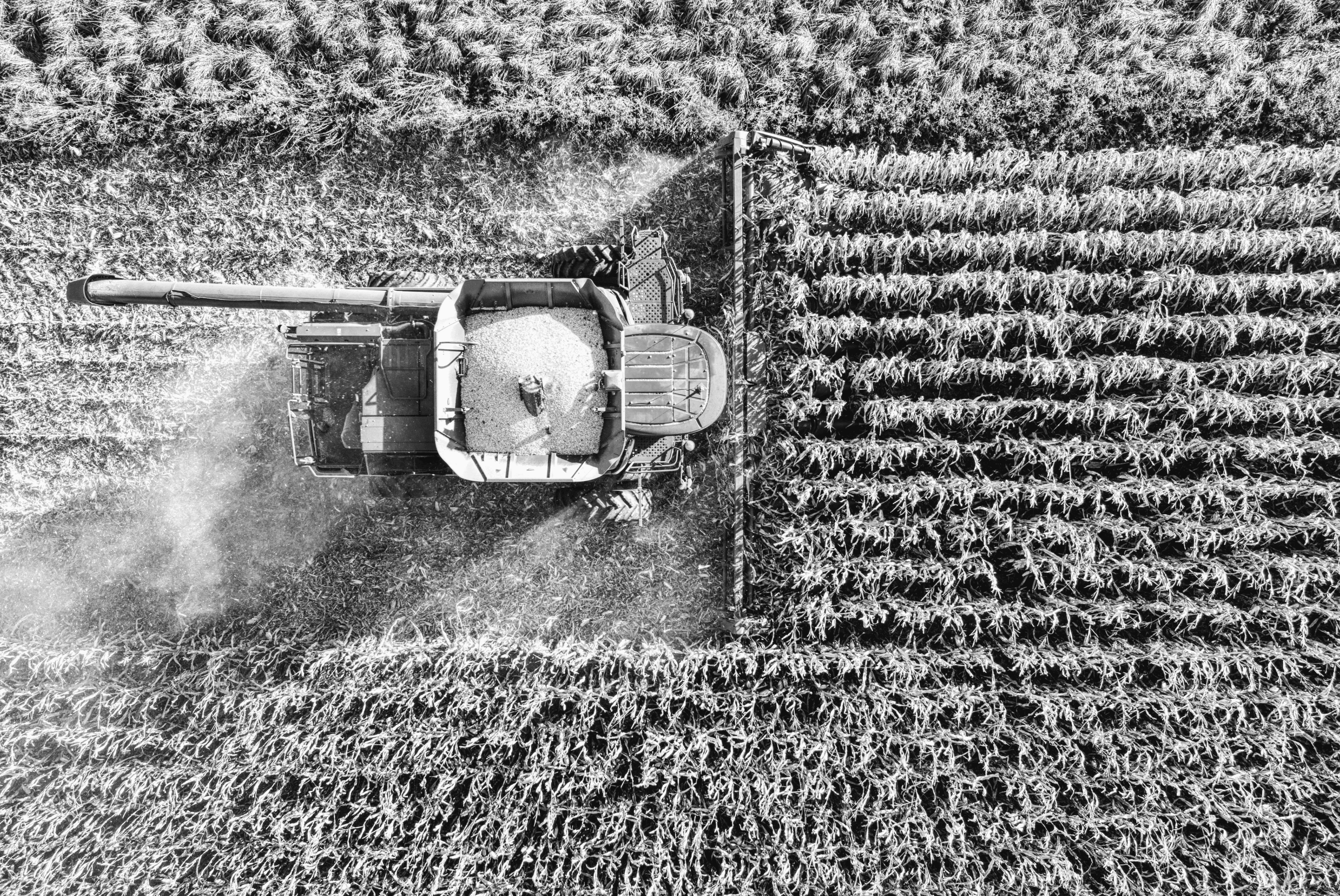
Crop rotation is a technique used in agriculture where different crops are grown in a specific pattern in a field, usually over a period of several years. This helps to maintain soil fertility, prevent soil erosion, reduce pests and diseases, and increase crop yield. However, crop rotation requires specialized skills and knowledge to be done effectively, including understanding of plant biology, soil science, and pest management.
Greenhouse Management refers to the practice of overseeing and optimizing the conditions within a greenhouse to promote plant growth and health. This skill involves understanding environmental factors such as temperature, humidity, light, and ventilation, which are crucial for cultivating various plant species. Knowledge of Greenhouse Management is used to implement effective cultivation techniques, monitor plant health, and manage resources efficiently, ensuring optimal yields and sustainability in agricultural practices.
Permaculture is a design system that seeks to create sustainable human habitats and food production systems based on the patterns and principles of ecology. It involves the integration of various elements, such as agriculture, architecture, energy, and waste management, to create more efficient and regenerative systems. Permaculture practitioners aim to work with nature rather than against it, and to prioritize the long-term health and sustainability of the environment and its inhabitants.
Plant propagation is the process of increasing the number of plants of a particular species or cultivar through various methods, such as seed germination, cutting, division, or grafting. It requires knowledge of plant biology, physiology, and propagation techniques, as well as patience and attention to detail. Successful plant propagation can be used for home gardening, commercial horticulture, or plant conservation efforts.
Sustainable agriculture involves implementing practices that reduce environmental impact while also producing food and increasing economic viability for farmers. It requires specialized knowledge of soil health, crop management, and resource conservation to maintain the ecosystem's integrity, creating a system that is enduring and self-sustaining.
Lightcast Skills Taxonomy

Lightcast Skills Resources

Plumbers’ Salaries in the US: Pay and Purchasing Power by State

Electricians’ Salaries in the US: Pay and Purchasing Power by State

Where Talent Wants to Be: The 2026 Talent Attraction Scorecard
Skills Hierarchy and Tags
Related Skills
Browse the most common related skills to this skill, based on the last 5 months of job postings data.
How does Lightcast define a skill?Crop rotation is a technique used in agriculture where different crops are grown in a specific pattern in a field, usually over a period of several years. This helps to maintain soil fertility, prevent soil erosion, reduce pests and diseases, and increase crop yield. However, crop rotation requires specialized skills and knowledge to be done effectively, including understanding of plant biology, soil science, and pest management.
Greenhouse Management refers to the practice of overseeing and optimizing the conditions within a greenhouse to promote plant growth and health. This skill involves understanding environmental factors such as temperature, humidity, light, and ventilation, which are crucial for cultivating various plant species. Knowledge of Greenhouse Management is used to implement effective cultivation techniques, monitor plant health, and manage resources efficiently, ensuring optimal yields and sustainability in agricultural practices.
Permaculture is a design system that seeks to create sustainable human habitats and food production systems based on the patterns and principles of ecology. It involves the integration of various elements, such as agriculture, architecture, energy, and waste management, to create more efficient and regenerative systems. Permaculture practitioners aim to work with nature rather than against it, and to prioritize the long-term health and sustainability of the environment and its inhabitants.
Plant propagation is the process of increasing the number of plants of a particular species or cultivar through various methods, such as seed germination, cutting, division, or grafting. It requires knowledge of plant biology, physiology, and propagation techniques, as well as patience and attention to detail. Successful plant propagation can be used for home gardening, commercial horticulture, or plant conservation efforts.
Sustainable agriculture involves implementing practices that reduce environmental impact while also producing food and increasing economic viability for farmers. It requires specialized knowledge of soil health, crop management, and resource conservation to maintain the ecosystem's integrity, creating a system that is enduring and self-sustaining.
Lightcast Skills Taxonomy
Lightcast Skills Resources
Plumbers’ Salaries in the US: Pay and Purchasing Power by State
Electricians’ Salaries in the US: Pay and Purchasing Power by State
Where Talent Wants to Be: The 2026 Talent Attraction Scorecard
Get API Access
This skill is part of the Lightcast Skills Taxonomy, a library of over 35,000 job related skills. It is the standard used by higher education institutions, public sector organizations and Fortune 500 companies around the globe.