
Harvest Planning
Harvest Planning refers to the process of scheduling and organizing the collection of agricultural or forestry products based on crop maturity, resource availability, and market demand. Harvest Planning enables the alignment of harvesting a...
Skills Hierarchy and Tags
Related Skills
Browse the most common related skills to this skill, based on the last 5 months of job postings data.
How does Lightcast define a skill?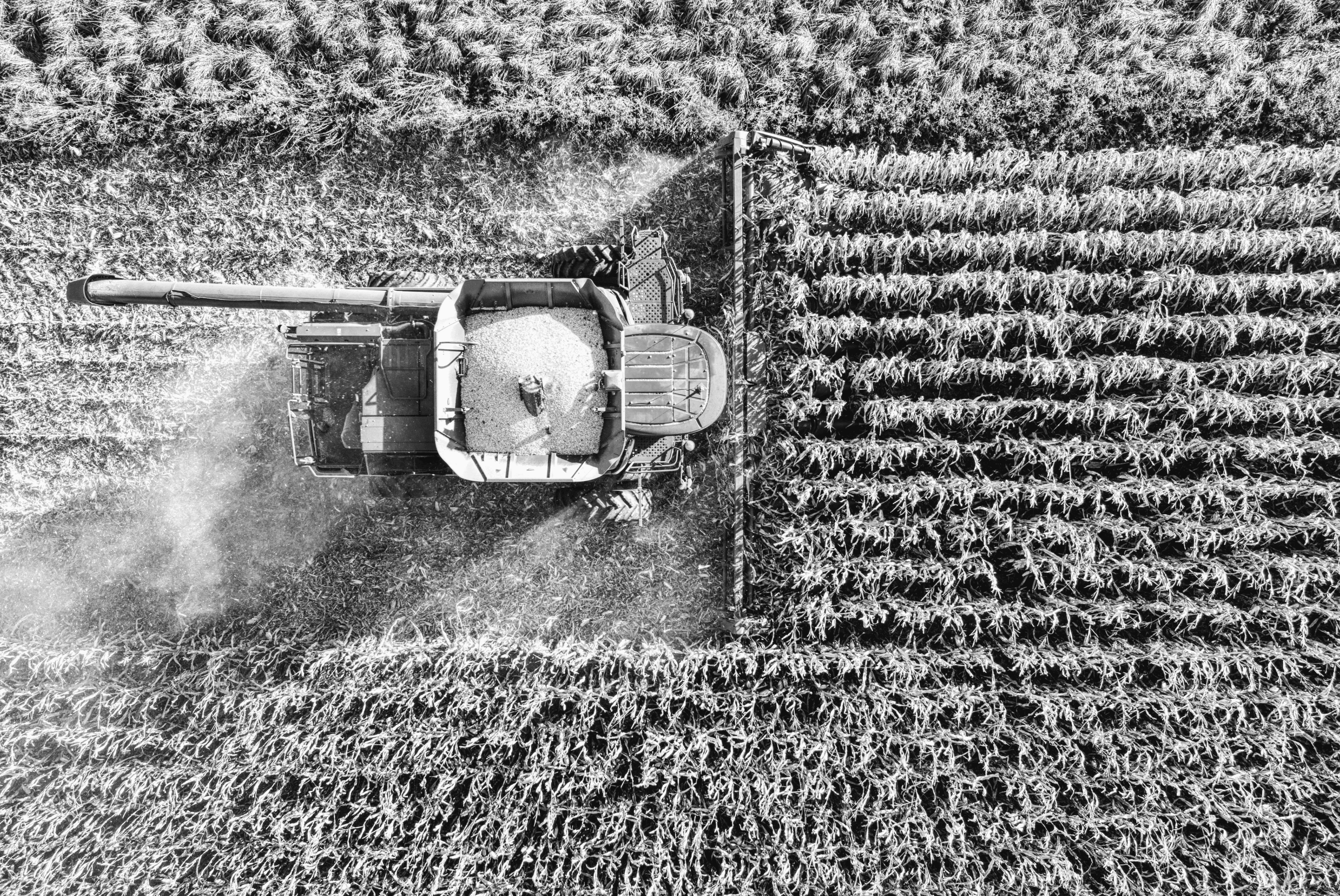
Crop rotation is a technique used in agriculture where different crops are grown in a specific pattern in a field, usually over a period of several years. This helps to maintain soil fertility, prevent soil erosion, reduce pests and diseases, and increase crop yield. However, crop rotation requires specialized skills and knowledge to be done effectively, including understanding of plant biology, soil science, and pest management.
Forest Mensuration refers to the measurement and assessment of forest resources, including trees, stands, and ecosystems. This skill encompasses techniques for quantifying tree dimensions, estimating timber volume, and evaluating forest growth and health. Knowledge of Forest Mensuration is used to inform sustainable forest management practices, support conservation efforts, and guide land-use planning by providing essential data for decision-making and resource allocation.
Irrigation Management refers to the systematic approach to controlling and optimizing the application of water to crops and landscapes. This skill involves assessing water needs, scheduling irrigation events, and selecting appropriate irrigation methods to enhance water efficiency and crop yield. Knowledge of Irrigation Management is used to develop strategies that minimize water waste, improve soil health, and ensure sustainable agricultural practices.
Land Tenure refers to the legal and institutional framework governing the ownership, use, and management of land. This skill encompasses understanding property rights, land use regulations, and tenure security, which are essential for effective land administration and planning. Knowledge of Land Tenure is used to assess land ownership patterns, facilitate land transactions, and inform policies that promote equitable access to land resources. It plays a critical role in sustainable development, environmental management, and conflict resolution related to land disputes.
Natural Resource Science is a specialized field that focuses on the study of natural resources, such as land, water, forests, fish, and wildlife. Professionals in this field use scientific methods to understand the relationship between humans and the natural environment, and develop strategies for conservation and sustainable use of natural resources. This requires knowledge and expertise in a range of disciplines, including ecology, geology, hydrology, forestry, and wildlife biology. Natural resource scientists work in various settings, including government agencies, non-profits, and private industries, to address environmental challenges and promote the responsible management of natural resources.
Lightcast Skills Taxonomy

Lightcast Skills Resources

Carpenters’ Salaries in the US: Pay and Purchasing Power by State

Plumbers’ Salaries in the US: Pay and Purchasing Power by State

Electricians’ Salaries in the US: Pay and Purchasing Power by State
Skills Hierarchy and Tags
Related Skills
Browse the most common related skills to this skill, based on the last 5 months of job postings data.
How does Lightcast define a skill?Crop rotation is a technique used in agriculture where different crops are grown in a specific pattern in a field, usually over a period of several years. This helps to maintain soil fertility, prevent soil erosion, reduce pests and diseases, and increase crop yield. However, crop rotation requires specialized skills and knowledge to be done effectively, including understanding of plant biology, soil science, and pest management.
Forest Mensuration refers to the measurement and assessment of forest resources, including trees, stands, and ecosystems. This skill encompasses techniques for quantifying tree dimensions, estimating timber volume, and evaluating forest growth and health. Knowledge of Forest Mensuration is used to inform sustainable forest management practices, support conservation efforts, and guide land-use planning by providing essential data for decision-making and resource allocation.
Irrigation Management refers to the systematic approach to controlling and optimizing the application of water to crops and landscapes. This skill involves assessing water needs, scheduling irrigation events, and selecting appropriate irrigation methods to enhance water efficiency and crop yield. Knowledge of Irrigation Management is used to develop strategies that minimize water waste, improve soil health, and ensure sustainable agricultural practices.
Land Tenure refers to the legal and institutional framework governing the ownership, use, and management of land. This skill encompasses understanding property rights, land use regulations, and tenure security, which are essential for effective land administration and planning. Knowledge of Land Tenure is used to assess land ownership patterns, facilitate land transactions, and inform policies that promote equitable access to land resources. It plays a critical role in sustainable development, environmental management, and conflict resolution related to land disputes.
Natural Resource Science is a specialized field that focuses on the study of natural resources, such as land, water, forests, fish, and wildlife. Professionals in this field use scientific methods to understand the relationship between humans and the natural environment, and develop strategies for conservation and sustainable use of natural resources. This requires knowledge and expertise in a range of disciplines, including ecology, geology, hydrology, forestry, and wildlife biology. Natural resource scientists work in various settings, including government agencies, non-profits, and private industries, to address environmental challenges and promote the responsible management of natural resources.
Lightcast Skills Taxonomy
Lightcast Skills Resources
Carpenters’ Salaries in the US: Pay and Purchasing Power by State
Plumbers’ Salaries in the US: Pay and Purchasing Power by State
Electricians’ Salaries in the US: Pay and Purchasing Power by State
Get API Access
This skill is part of the Lightcast Skills Taxonomy, a library of over 35,000 job related skills. It is the standard used by higher education institutions, public sector organizations and Fortune 500 companies around the globe.