
Assay Development
Assay Development refers to the process of designing and optimizing analytical methods to detect and quantify specific substances, such as biomolecules or chemical compounds, in various samples. This skill involves understanding the princip...
Skills Hierarchy and Tags
Related Skills
Browse the most common related skills to this skill, based on the last 5 months of job postings data.
How does Lightcast define a skill?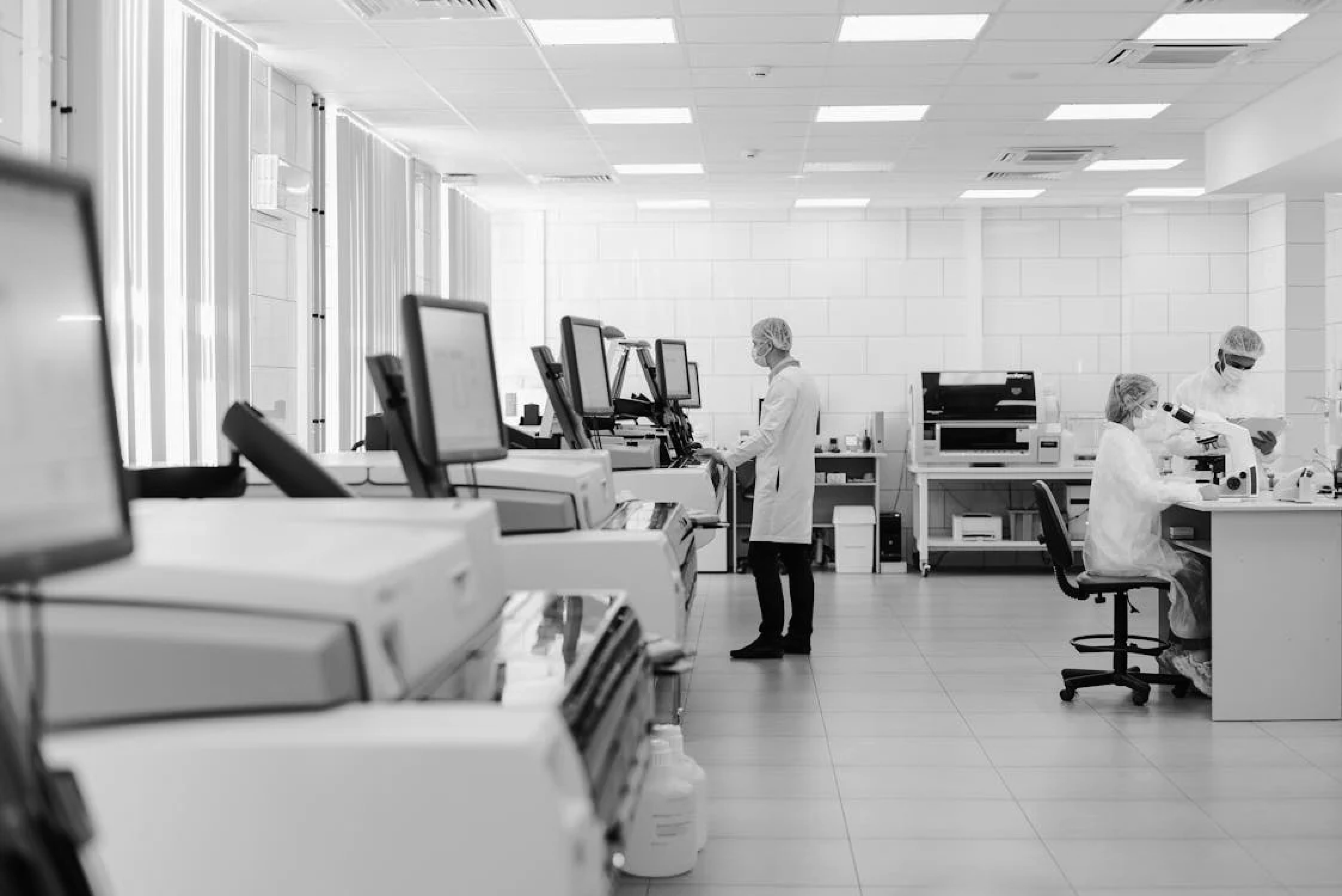
Cell Growth refers to the process by which cells increase in size and number, a fundamental aspect of biological development and tissue maintenance. This skill encompasses understanding the mechanisms that regulate cell division, differentiation, and proliferation, which are essential for growth and repair in living organisms. Knowledge of Cell Growth is used in various fields, including biology and medicine, to investigate developmental processes, study diseases such as cancer, and develop therapeutic strategies for tissue regeneration.
Cytotoxicity refers to the capacity of certain substances to cause damage to cells, leading to cell death or dysfunction. This skill encompasses the assessment and measurement of the toxic effects of compounds on cell viability and function, often utilized in pharmacology and toxicology studies. Knowledge of Cytotoxicity is applied in evaluating the safety and efficacy of drugs, as well as in understanding the mechanisms of action of various therapeutic agents and environmental toxins.
Mammalian cell cultures involve growing and maintaining cells from mammals in an artificial environment. This requires specialized skills and techniques to ensure cell growth and health. The cells are often used in various research applications, such as drug development and disease modeling. Mammalian cell cultures are valuable tools for biomedical research and require careful attention to detail to ensure accurate and reliable results.
Protein Characterization refers to the process of identifying and analyzing the properties and functions of proteins. This skill involves techniques such as mass spectrometry, chromatography, and electrophoresis to determine protein structure, composition, and interactions. Knowledge of Protein Characterization is used in various fields, including biochemistry and pharmaceuticals, to understand protein behavior, develop therapeutics, and enhance biotechnological applications.
Protein production is a complex process that requires specialized skills and knowledge. It involves the design, development, and optimization of methods for producing high-quality proteins for use in various applications, such as drug discovery and biotechnology. This process requires expertise in areas such as cell culture, genetic engineering, protein purification, and quality control. Successful protein production requires careful planning, attention to detail, and collaboration between interdisciplinary teams of scientists and engineers.
Lightcast Skills Taxonomy
Looking for a specific skill? Search our library. Explore 35,000+ skills that we've collected from hundreds of millions of job postings, resumes, and online profiles.
The Lightcast Skills Taxonomy delivers clarity by allowing everyone to speak the same language. Use our APIs to articulate your skills needs, and leave the details to us: our dedicated team of taxonomists and engineers cleans, checks, and updates each entry so that you always have the most accurate and up-to-date picture of the labor market.
Are you a nonprofit pursuing a public good? Lightcast Skills APIs are freely available to you because we believe in using data for good and creating a labor market that works for everyone. Through the shared language of skills, we can enable a world where every worker and every job can find their best fits as efficiently and easily as possible.



Skills Hierarchy and Tags
Related Skills
Browse the most common related skills to this skill, based on the last 5 months of job postings data.
How does Lightcast define a skill?Cell Growth refers to the process by which cells increase in size and number, a fundamental aspect of biological development and tissue maintenance. This skill encompasses understanding the mechanisms that regulate cell division, differentiation, and proliferation, which are essential for growth and repair in living organisms. Knowledge of Cell Growth is used in various fields, including biology and medicine, to investigate developmental processes, study diseases such as cancer, and develop therapeutic strategies for tissue regeneration.
Cytotoxicity refers to the capacity of certain substances to cause damage to cells, leading to cell death or dysfunction. This skill encompasses the assessment and measurement of the toxic effects of compounds on cell viability and function, often utilized in pharmacology and toxicology studies. Knowledge of Cytotoxicity is applied in evaluating the safety and efficacy of drugs, as well as in understanding the mechanisms of action of various therapeutic agents and environmental toxins.
Mammalian cell cultures involve growing and maintaining cells from mammals in an artificial environment. This requires specialized skills and techniques to ensure cell growth and health. The cells are often used in various research applications, such as drug development and disease modeling. Mammalian cell cultures are valuable tools for biomedical research and require careful attention to detail to ensure accurate and reliable results.
Protein Characterization refers to the process of identifying and analyzing the properties and functions of proteins. This skill involves techniques such as mass spectrometry, chromatography, and electrophoresis to determine protein structure, composition, and interactions. Knowledge of Protein Characterization is used in various fields, including biochemistry and pharmaceuticals, to understand protein behavior, develop therapeutics, and enhance biotechnological applications.
Protein production is a complex process that requires specialized skills and knowledge. It involves the design, development, and optimization of methods for producing high-quality proteins for use in various applications, such as drug discovery and biotechnology. This process requires expertise in areas such as cell culture, genetic engineering, protein purification, and quality control. Successful protein production requires careful planning, attention to detail, and collaboration between interdisciplinary teams of scientists and engineers.
Lightcast Skills Taxonomy
Looking for a specific skill? Search our library. Explore 35,000+ skills that we've collected from hundreds of millions of job postings, resumes, and online profiles.
The Lightcast Skills Taxonomy delivers clarity by allowing everyone to speak the same language. Use our APIs to articulate your skills needs, and leave the details to us: our dedicated team of taxonomists and engineers cleans, checks, and updates each entry so that you always have the most accurate and up-to-date picture of the labor market.
Are you a nonprofit pursuing a public good? Lightcast Skills APIs are freely available to you because we believe in using data for good and creating a labor market that works for everyone. Through the shared language of skills, we can enable a world where every worker and every job can find their best fits as efficiently and easily as possible.
Get API Access
This skill is part of the Lightcast Skills Taxonomy, a library of over 35,000 job related skills. It is the standard used by higher education institutions, public sector organizations and Fortune 500 companies around the globe.