
Equipment Engineering
Equipment Engineering involves the design, development, testing, and maintenance of machinery and equipment. This skill requires knowledge of mechanical and electrical systems, CAD software, and safety regulations. It also includes troubles...
Skills Hierarchy and Tags
Related Skills
Browse the most common related skills to this skill, based on the last 5 months of job postings data.
How does Lightcast define a skill?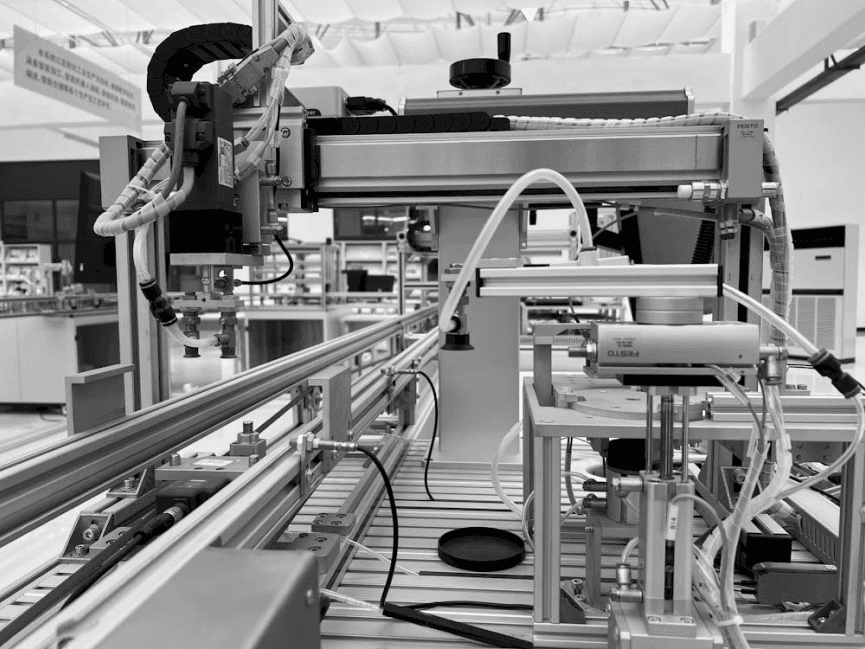
Equipment Design refers to the planning and development of tools, machines, systems, and other physical assets for specific functional requirements. It involves defining performance needs, selecting materials and components, and arranging features to support safe and efficient operation. In work settings, it is used to create or improve equipment for manufacturing, construction, laboratory, or service applications, while meeting operational, quality, and maintenance requirements.
Material Balance Planning is a process of tracking and managing raw materials throughout the production or manufacturing process. This involves determining how much material is needed, when it is needed, and where it will be used. Material Balance Planners set up systems to ensure that materials are ordered on time, stored properly, and used efficiently. They use data analysis, forecasting, and inventory management tools to make informed decisions about material procurement and production scheduling. Material Balance Planning requires a high level of attention to detail and communication across departments, making it a specialized skill.
Mean Time Between Failures (MTBF) is a measure of the average time between failures of a system or component. It is an important metric used in reliability engineering to determine the reliability of a system and to predict its lifespan. MTBF requires specialized skills and knowledge in statistical analysis, data collection, and maintenance strategies to ensure accurate measurement and interpretation. Experts in MTBF can help businesses optimize their systems and reduce the risk of failures, leading to improved productivity, quality, and customer satisfaction.
Pressure Drops refer to the decrease in pressure that occurs in a fluid system, often due to changes in flow rate, resistance, or elevation. This skill involves understanding the principles of fluid dynamics and the factors that contribute to pressure variations within pipes, ducts, or other conduits. Knowledge of Pressure Drops is used to analyze system performance, optimize design, and ensure efficient operation in various applications, including HVAC systems, plumbing, and industrial processes.
Process Control refers to the use of methodologies and technologies to monitor and regulate industrial processes to maintain desired output levels. It involves setting control parameters, analyzing system feedback, and adjusting process inputs to ensure consistency, efficiency, and safety. The skill is applied in real-time operations to reduce variability and maintain product quality within defined specifications.
Lightcast Skills Taxonomy
Looking for a specific skill? Search our library. Explore 35,000+ skills that we've collected from hundreds of millions of job postings, resumes, and online profiles.
The Lightcast Skills Taxonomy delivers clarity by allowing everyone to speak the same language. Use our APIs to articulate your skills needs, and leave the details to us: our dedicated team of taxonomists and engineers cleans, checks, and updates each entry so that you always have the most accurate and up-to-date picture of the labor market.
Are you a nonprofit pursuing a public good? Lightcast Skills APIs are freely available to you because we believe in using data for good and creating a labor market that works for everyone. Through the shared language of skills, we can enable a world where every worker and every job can find their best fits as efficiently and easily as possible.

Lightcast Skills Resources

How Utah Tech Brings Career Exploration Into the Student Journey

The One-Two Punch That’s Kept Entry-Level Postings Lagging Behind

He Left Banking to Change Oil. Now He Leads the Shop.
Skills Hierarchy and Tags
Related Skills
Browse the most common related skills to this skill, based on the last 5 months of job postings data.
How does Lightcast define a skill?Equipment Design refers to the planning and development of tools, machines, systems, and other physical assets for specific functional requirements. It involves defining performance needs, selecting materials and components, and arranging features to support safe and efficient operation. In work settings, it is used to create or improve equipment for manufacturing, construction, laboratory, or service applications, while meeting operational, quality, and maintenance requirements.
Material Balance Planning is a process of tracking and managing raw materials throughout the production or manufacturing process. This involves determining how much material is needed, when it is needed, and where it will be used. Material Balance Planners set up systems to ensure that materials are ordered on time, stored properly, and used efficiently. They use data analysis, forecasting, and inventory management tools to make informed decisions about material procurement and production scheduling. Material Balance Planning requires a high level of attention to detail and communication across departments, making it a specialized skill.
Mean Time Between Failures (MTBF) is a measure of the average time between failures of a system or component. It is an important metric used in reliability engineering to determine the reliability of a system and to predict its lifespan. MTBF requires specialized skills and knowledge in statistical analysis, data collection, and maintenance strategies to ensure accurate measurement and interpretation. Experts in MTBF can help businesses optimize their systems and reduce the risk of failures, leading to improved productivity, quality, and customer satisfaction.
Pressure Drops refer to the decrease in pressure that occurs in a fluid system, often due to changes in flow rate, resistance, or elevation. This skill involves understanding the principles of fluid dynamics and the factors that contribute to pressure variations within pipes, ducts, or other conduits. Knowledge of Pressure Drops is used to analyze system performance, optimize design, and ensure efficient operation in various applications, including HVAC systems, plumbing, and industrial processes.
Process Control refers to the use of methodologies and technologies to monitor and regulate industrial processes to maintain desired output levels. It involves setting control parameters, analyzing system feedback, and adjusting process inputs to ensure consistency, efficiency, and safety. The skill is applied in real-time operations to reduce variability and maintain product quality within defined specifications.
Lightcast Skills Taxonomy
Looking for a specific skill? Search our library. Explore 35,000+ skills that we've collected from hundreds of millions of job postings, resumes, and online profiles.
The Lightcast Skills Taxonomy delivers clarity by allowing everyone to speak the same language. Use our APIs to articulate your skills needs, and leave the details to us: our dedicated team of taxonomists and engineers cleans, checks, and updates each entry so that you always have the most accurate and up-to-date picture of the labor market.
Are you a nonprofit pursuing a public good? Lightcast Skills APIs are freely available to you because we believe in using data for good and creating a labor market that works for everyone. Through the shared language of skills, we can enable a world where every worker and every job can find their best fits as efficiently and easily as possible.
Lightcast Skills Resources
How Utah Tech Brings Career Exploration Into the Student Journey
The One-Two Punch That’s Kept Entry-Level Postings Lagging Behind
He Left Banking to Change Oil. Now He Leads the Shop.
Get API Access
This skill is part of the Lightcast Skills Taxonomy, a library of over 35,000 job related skills. It is the standard used by higher education institutions, public sector organizations and Fortune 500 companies around the globe.