
Aerial Lifts
Aerial lifts refer to any machine or equipment used to elevate workers or materials to an elevated position. This may include scissor lifts, boom lifts, bucket trucks, or any other elevated platform. Operating aerial lifts requires speciali...
Skills Hierarchy and Tags
Related Skills
Browse the most common related skills to this skill, based on the last 5 months of job postings data.
How does Lightcast define a skill?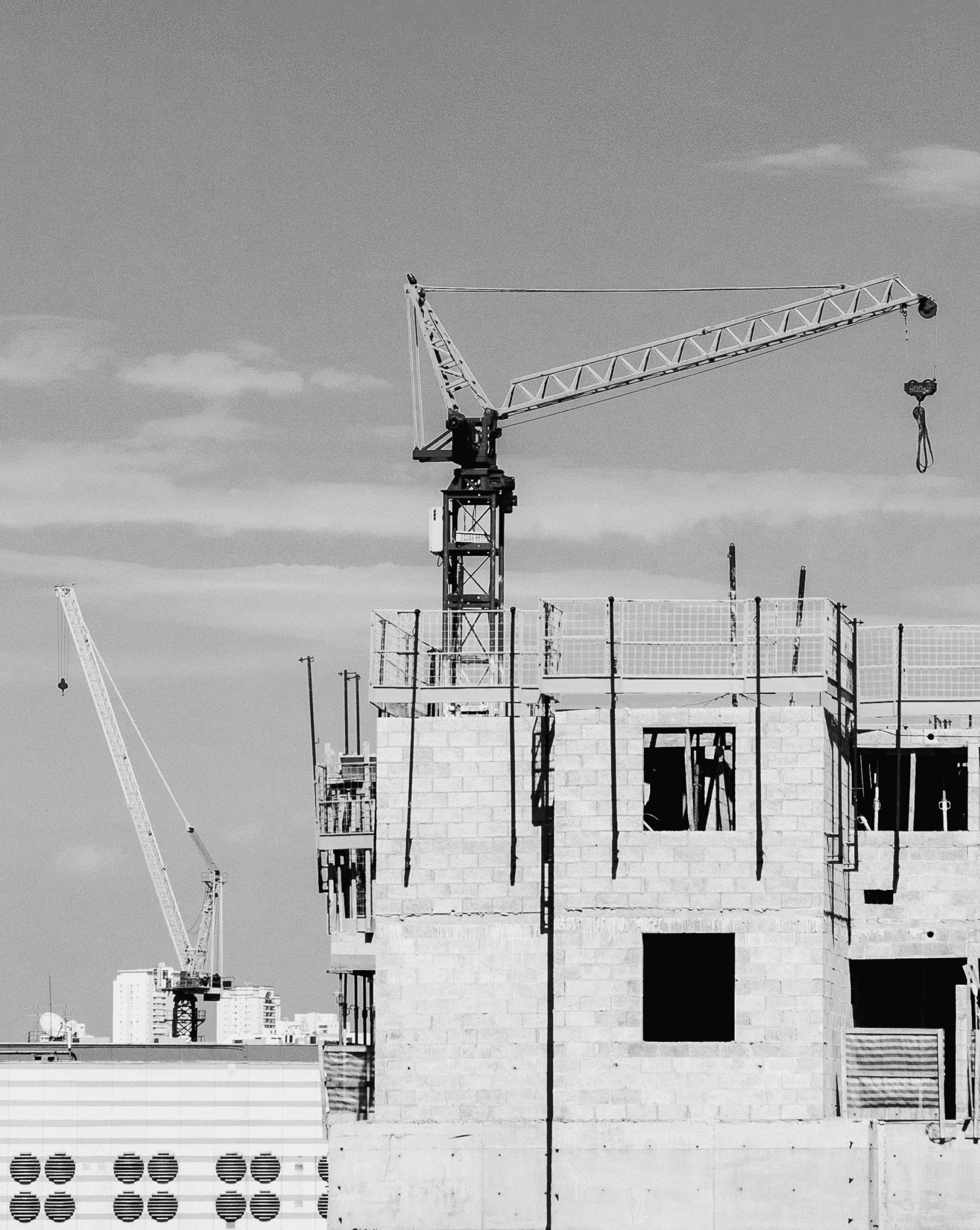
Hoisting is the process of lifting and moving heavy objects using specialized equipment, such as cranes and rigging systems. It requires highly specialized skills, experience, and knowledge of safety protocols. Hoisting may be necessary in construction, industrial, and transportation settings, and is often performed by trained professionals. Proper hoisting techniques and equipment are essential to ensure the safety of workers and the general public.
Mechanical Tools refers to the knowledge and practical use of hand and powered tools used to assemble, adjust, maintain, and repair mechanical equipment. It includes selecting appropriate tools, using them safely, and applying them to tasks such as tightening fasteners, measuring parts, removing components, and fitting assemblies. This skill is used in workplaces that involve installation, maintenance, manufacturing, and equipment repair to support accurate and efficient mechanical work.
National Center For Construction Education & Research (NCCER) Certification refers to a recognized credential that verifies foundational knowledge and practical competence in construction-related work. It covers standardized training and assessment in areas such as safety, tools, materials, and trade-specific procedures. In work settings, it is used to demonstrate readiness for construction tasks, support workforce qualification, and align performance with industry expectations.
Winches refer to mechanical devices used to wind or unwind a cable or rope, enabling the movement of heavy loads. This skill encompasses the understanding of winch operation, including setup, maintenance, and safety protocols. Knowledge of Winches is applied in various contexts, such as construction, marine, and automotive industries, to facilitate lifting, pulling, or securing objects effectively. Proper use of Winches enhances efficiency and safety in operations involving heavy materials or equipment.
Working at Heights refers to the ability to safely perform tasks at elevated positions where there is a risk of injury from falling. It involves knowledge of safety procedures, hazard identification, and the proper use of equipment such as harnesses, scaffolds, and ladders. This skill is essential for ensuring compliance with safety regulations and minimizing risk during tasks conducted above ground level. It is commonly applied in construction, maintenance, and industrial environments.
Lightcast Skills Taxonomy

Lightcast Skills Resources

Plumbers’ Salaries in the US: Pay and Purchasing Power by State

Electricians’ Salaries in the US: Pay and Purchasing Power by State

Where Talent Wants to Be: The 2026 Talent Attraction Scorecard
Skills Hierarchy and Tags
Related Skills
Browse the most common related skills to this skill, based on the last 5 months of job postings data.
How does Lightcast define a skill?Hoisting is the process of lifting and moving heavy objects using specialized equipment, such as cranes and rigging systems. It requires highly specialized skills, experience, and knowledge of safety protocols. Hoisting may be necessary in construction, industrial, and transportation settings, and is often performed by trained professionals. Proper hoisting techniques and equipment are essential to ensure the safety of workers and the general public.
Mechanical Tools refers to the knowledge and practical use of hand and powered tools used to assemble, adjust, maintain, and repair mechanical equipment. It includes selecting appropriate tools, using them safely, and applying them to tasks such as tightening fasteners, measuring parts, removing components, and fitting assemblies. This skill is used in workplaces that involve installation, maintenance, manufacturing, and equipment repair to support accurate and efficient mechanical work.
National Center For Construction Education & Research (NCCER) Certification refers to a recognized credential that verifies foundational knowledge and practical competence in construction-related work. It covers standardized training and assessment in areas such as safety, tools, materials, and trade-specific procedures. In work settings, it is used to demonstrate readiness for construction tasks, support workforce qualification, and align performance with industry expectations.
Winches refer to mechanical devices used to wind or unwind a cable or rope, enabling the movement of heavy loads. This skill encompasses the understanding of winch operation, including setup, maintenance, and safety protocols. Knowledge of Winches is applied in various contexts, such as construction, marine, and automotive industries, to facilitate lifting, pulling, or securing objects effectively. Proper use of Winches enhances efficiency and safety in operations involving heavy materials or equipment.
Working at Heights refers to the ability to safely perform tasks at elevated positions where there is a risk of injury from falling. It involves knowledge of safety procedures, hazard identification, and the proper use of equipment such as harnesses, scaffolds, and ladders. This skill is essential for ensuring compliance with safety regulations and minimizing risk during tasks conducted above ground level. It is commonly applied in construction, maintenance, and industrial environments.
Lightcast Skills Taxonomy
Lightcast Skills Resources
Plumbers’ Salaries in the US: Pay and Purchasing Power by State
Electricians’ Salaries in the US: Pay and Purchasing Power by State
Where Talent Wants to Be: The 2026 Talent Attraction Scorecard
Get API Access
This skill is part of the Lightcast Skills Taxonomy, a library of over 35,000 job related skills. It is the standard used by higher education institutions, public sector organizations and Fortune 500 companies around the globe.