
Agriculture
Agriculture refers to the practice of cultivating soil, growing crops, and raising animals for food, fiber, and other products used to sustain and enhance human life. This skill encompasses various techniques and knowledge related to plant...
Skills Hierarchy and Tags
Related Skills
Browse the most common related skills to this skill, based on the last 5 months of job postings data.
How does Lightcast define a skill?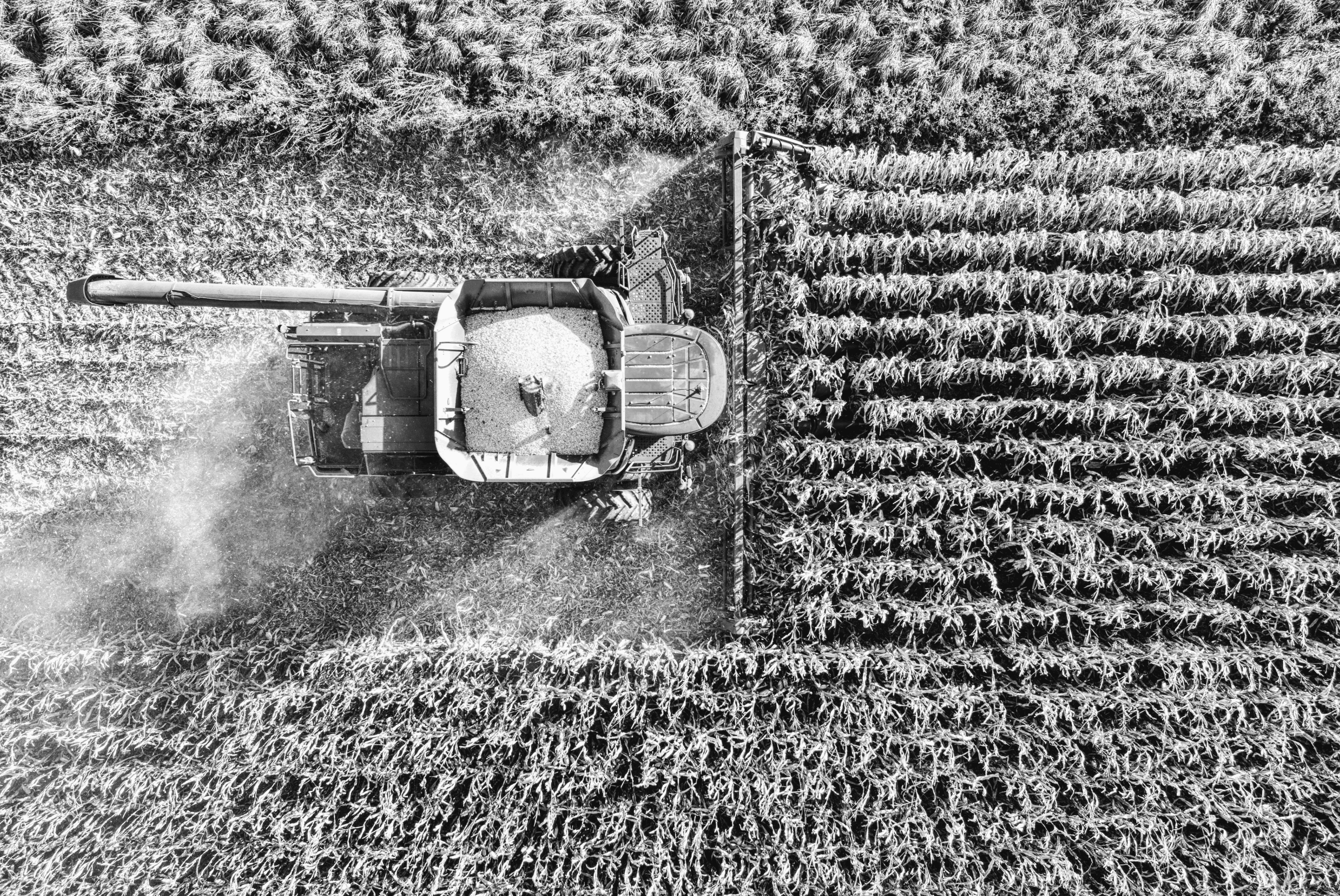
Botany refers to the scientific study of plants, including their structure, growth, reproduction, metabolism, and ecology. This skill encompasses the identification and classification of plant species, as well as understanding their interactions with the environment and other organisms. Knowledge of Botany is used to inform conservation efforts, agricultural practices, and ecological research by providing insights into plant health, biodiversity, and ecosystem dynamics.
Ecology refers to the study of interactions between living organisms and their environment, encompassing the relationships within ecosystems and the impact of human activity on natural habitats. This skill involves understanding ecological principles, such as energy flow, nutrient cycling, and species interactions, which enable the analysis of environmental issues and the development of conservation strategies. Knowledge of Ecology is used to assess biodiversity, manage natural resources, and inform policies aimed at sustainable development and environmental protection.
Forestry is a specialized field that involves the management and care of forests, including the planning, protection, and maintenance of forested areas. Forests are important resources for the environment, providing habitats for animals, producing oxygen, and storing carbon. A forester is responsible for ensuring that forests are managed sustainably, balancing the needs of the environment with the economic and social benefits of forestry. This involves understanding forest ecology, identifying and mitigating risks such as pests and wildfires, and planning for the long-term health and growth of forests. A career in forestry requires specialized training and education, as well as a commitment to preserving and protecting some of our planet's most valuable natural resources.
Land management involves the planning, development, use, maintenance, and conservation of land resources for various purposes. It requires expertise in disciplines such as environmental science, geography, economics, and law. Effective land management requires a balance between meeting the needs of society while protecting the environment and preserving natural resources. It involves decision-making processes that consider social, economic, and ecological factors, and requires collaboration between various stakeholders such as government agencies, landowners, and community groups.
Natural Resource Management refers to the sustainable management of natural resources such as land, water, soil, plants, and animals to meet current and future human needs while preserving ecosystem health. This skill encompasses the assessment, planning, and implementation of strategies that balance environmental, economic, and social objectives. Knowledge of Natural Resource Management is used to develop policies and practices that promote conservation, enhance resource efficiency, and mitigate environmental impacts. It plays a critical role in addressing challenges such as climate change, habitat loss, and resource depletion.
Lightcast Skills Taxonomy

Lightcast Skills Resources

Plumbers’ Salaries in the US: Pay and Purchasing Power by State

Electricians’ Salaries in the US: Pay and Purchasing Power by State

Where Talent Wants to Be: The 2026 Talent Attraction Scorecard
Skills Hierarchy and Tags
Related Skills
Browse the most common related skills to this skill, based on the last 5 months of job postings data.
How does Lightcast define a skill?Botany refers to the scientific study of plants, including their structure, growth, reproduction, metabolism, and ecology. This skill encompasses the identification and classification of plant species, as well as understanding their interactions with the environment and other organisms. Knowledge of Botany is used to inform conservation efforts, agricultural practices, and ecological research by providing insights into plant health, biodiversity, and ecosystem dynamics.
Ecology refers to the study of interactions between living organisms and their environment, encompassing the relationships within ecosystems and the impact of human activity on natural habitats. This skill involves understanding ecological principles, such as energy flow, nutrient cycling, and species interactions, which enable the analysis of environmental issues and the development of conservation strategies. Knowledge of Ecology is used to assess biodiversity, manage natural resources, and inform policies aimed at sustainable development and environmental protection.
Forestry is a specialized field that involves the management and care of forests, including the planning, protection, and maintenance of forested areas. Forests are important resources for the environment, providing habitats for animals, producing oxygen, and storing carbon. A forester is responsible for ensuring that forests are managed sustainably, balancing the needs of the environment with the economic and social benefits of forestry. This involves understanding forest ecology, identifying and mitigating risks such as pests and wildfires, and planning for the long-term health and growth of forests. A career in forestry requires specialized training and education, as well as a commitment to preserving and protecting some of our planet's most valuable natural resources.
Land management involves the planning, development, use, maintenance, and conservation of land resources for various purposes. It requires expertise in disciplines such as environmental science, geography, economics, and law. Effective land management requires a balance between meeting the needs of society while protecting the environment and preserving natural resources. It involves decision-making processes that consider social, economic, and ecological factors, and requires collaboration between various stakeholders such as government agencies, landowners, and community groups.
Natural Resource Management refers to the sustainable management of natural resources such as land, water, soil, plants, and animals to meet current and future human needs while preserving ecosystem health. This skill encompasses the assessment, planning, and implementation of strategies that balance environmental, economic, and social objectives. Knowledge of Natural Resource Management is used to develop policies and practices that promote conservation, enhance resource efficiency, and mitigate environmental impacts. It plays a critical role in addressing challenges such as climate change, habitat loss, and resource depletion.
Lightcast Skills Taxonomy
Lightcast Skills Resources
Plumbers’ Salaries in the US: Pay and Purchasing Power by State
Electricians’ Salaries in the US: Pay and Purchasing Power by State
Where Talent Wants to Be: The 2026 Talent Attraction Scorecard
Get API Access
This skill is part of the Lightcast Skills Taxonomy, a library of over 35,000 job related skills. It is the standard used by higher education institutions, public sector organizations and Fortune 500 companies around the globe.