
Distributed Generation
Distributed Generation (DG) refers to small-scale electricity generation that is located close to where the power is being used. It often involves using renewable energy sources, such as wind or solar power, and is increasingly becoming a p...
Skills Hierarchy and Tags
Related Skills
Browse the most common related skills to this skill, based on the last 5 months of job postings data.
How does Lightcast define a skill?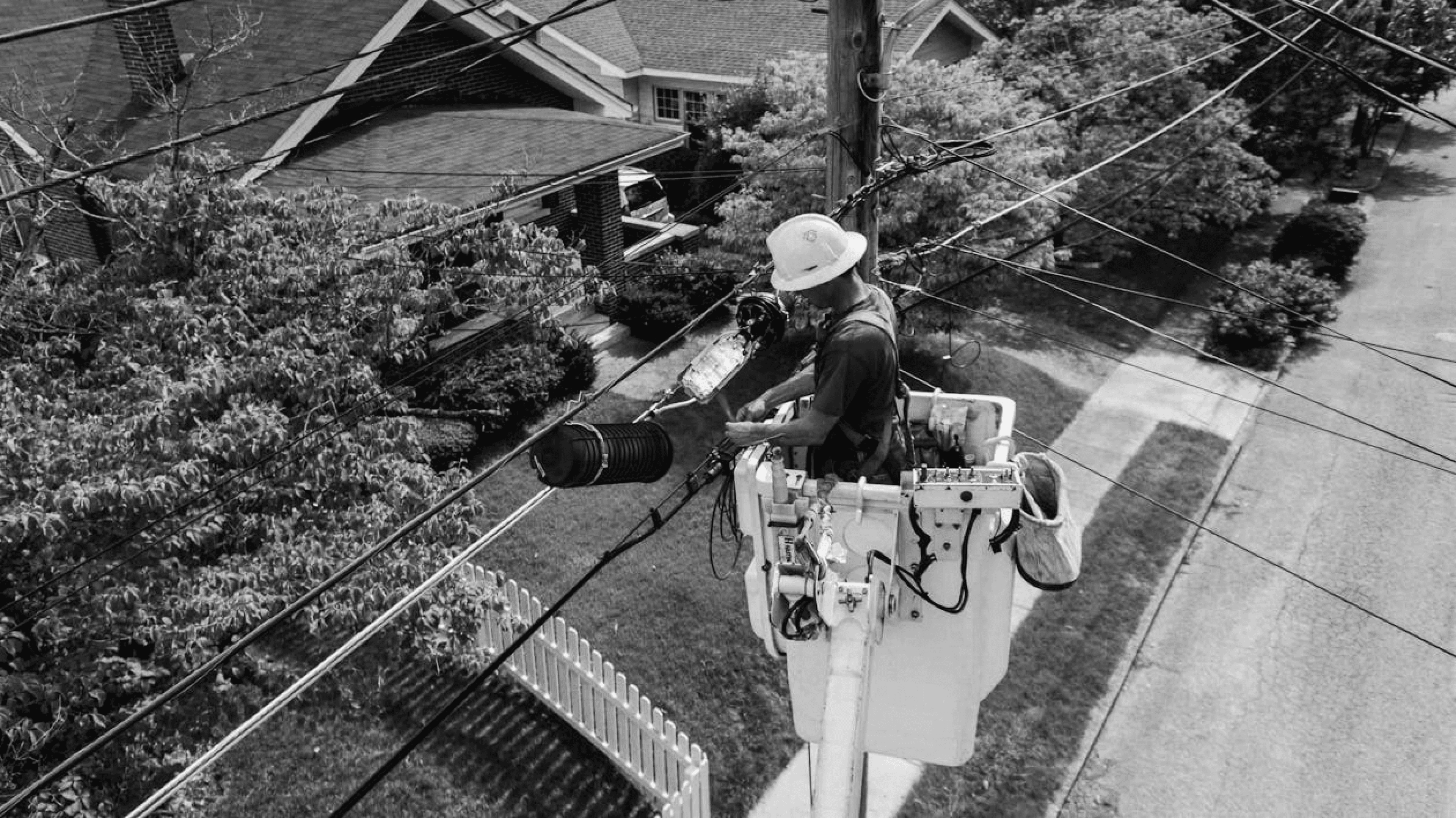
ETAP refers to an advanced software tool used for electrical power system analysis and design. This skill encompasses modeling, simulation, and analysis of electrical networks to ensure reliability, efficiency, and safety in power systems. Knowledge of ETAP is utilized to perform load flow studies, short circuit analysis, and protective device coordination, aiding engineers in optimizing system performance and compliance with industry standards.
Energy technology refers to the application of engineering and scientific principles to the development of efficient and sustainable energy sources, systems, and devices. Specialists in this field are responsible for designing, developing, and implementing innovative solutions to address the energy-related challenges facing the world today, such as reducing greenhouse gas emissions, improving energy efficiency, and enhancing energy security. This requires a strong understanding of various technologies related to energy production, distribution, storage, and consumption, as well as an ability to analyze complex data and collaborate effectively with other experts in the field.
Load Flow Analysis refers to the study of electrical power systems to determine the flow of electric power through the network under steady-state conditions. This skill involves calculating voltage levels, power losses, and the distribution of electrical loads across various components of the system. Load Flow Analysis is used to optimize the performance of power systems, ensuring reliability and efficiency in electricity delivery while identifying potential issues such as overloads or voltage drops. Understanding this analysis aids in the planning and operation of electrical grids and facilitates the integration of renewable energy sources.
PVsyst refers to software used for the design, simulation, and performance analysis of photovoltaic energy systems. It is applied in planning and evaluating solar projects by estimating energy output, assessing shading and losses, and comparing system configurations. The skill involves using the software to support technical studies, feasibility reviews, and project documentation.
Power Engineering refers to the field that focuses on the generation, transmission, distribution, and utilization of electrical power. This skill encompasses the principles of electrical systems, including the design and operation of power plants, substations, and electrical grids. Knowledge of Power Engineering is used to ensure the efficient and reliable delivery of electricity, manage energy resources, and implement safety standards in electrical infrastructure. It plays a critical role in supporting the development of sustainable energy solutions and addressing the challenges of modern power systems.
Lightcast Skills Taxonomy

Lightcast Skills Resources

Plumbers’ Salaries in the US: Pay and Purchasing Power by State

Where Talent Wants to Be: The 2026 Talent Attraction Scorecard

It’s Scary That AI Might Give You Bad Data. It’s Terrifying That You Might Believe It.
Skills Hierarchy and Tags
Related Skills
Browse the most common related skills to this skill, based on the last 5 months of job postings data.
How does Lightcast define a skill?ETAP refers to an advanced software tool used for electrical power system analysis and design. This skill encompasses modeling, simulation, and analysis of electrical networks to ensure reliability, efficiency, and safety in power systems. Knowledge of ETAP is utilized to perform load flow studies, short circuit analysis, and protective device coordination, aiding engineers in optimizing system performance and compliance with industry standards.
Energy technology refers to the application of engineering and scientific principles to the development of efficient and sustainable energy sources, systems, and devices. Specialists in this field are responsible for designing, developing, and implementing innovative solutions to address the energy-related challenges facing the world today, such as reducing greenhouse gas emissions, improving energy efficiency, and enhancing energy security. This requires a strong understanding of various technologies related to energy production, distribution, storage, and consumption, as well as an ability to analyze complex data and collaborate effectively with other experts in the field.
Load Flow Analysis refers to the study of electrical power systems to determine the flow of electric power through the network under steady-state conditions. This skill involves calculating voltage levels, power losses, and the distribution of electrical loads across various components of the system. Load Flow Analysis is used to optimize the performance of power systems, ensuring reliability and efficiency in electricity delivery while identifying potential issues such as overloads or voltage drops. Understanding this analysis aids in the planning and operation of electrical grids and facilitates the integration of renewable energy sources.
PVsyst refers to software used for the design, simulation, and performance analysis of photovoltaic energy systems. It is applied in planning and evaluating solar projects by estimating energy output, assessing shading and losses, and comparing system configurations. The skill involves using the software to support technical studies, feasibility reviews, and project documentation.
Power Engineering refers to the field that focuses on the generation, transmission, distribution, and utilization of electrical power. This skill encompasses the principles of electrical systems, including the design and operation of power plants, substations, and electrical grids. Knowledge of Power Engineering is used to ensure the efficient and reliable delivery of electricity, manage energy resources, and implement safety standards in electrical infrastructure. It plays a critical role in supporting the development of sustainable energy solutions and addressing the challenges of modern power systems.
Lightcast Skills Taxonomy
Lightcast Skills Resources
Plumbers’ Salaries in the US: Pay and Purchasing Power by State
Where Talent Wants to Be: The 2026 Talent Attraction Scorecard
It’s Scary That AI Might Give You Bad Data. It’s Terrifying That You Might Believe It.
Get API Access
This skill is part of the Lightcast Skills Taxonomy, a library of over 35,000 job related skills. It is the standard used by higher education institutions, public sector organizations and Fortune 500 companies around the globe.