
Forestry
Forestry is a specialized field that involves the management and care of forests, including the planning, protection, and maintenance of forested areas. Forests are important resources for the environment, providing habitats for animals, pr...
Skills Hierarchy and Tags
Related Skills
Browse the most common related skills to this skill, based on the last 5 months of job postings data.
How does Lightcast define a skill?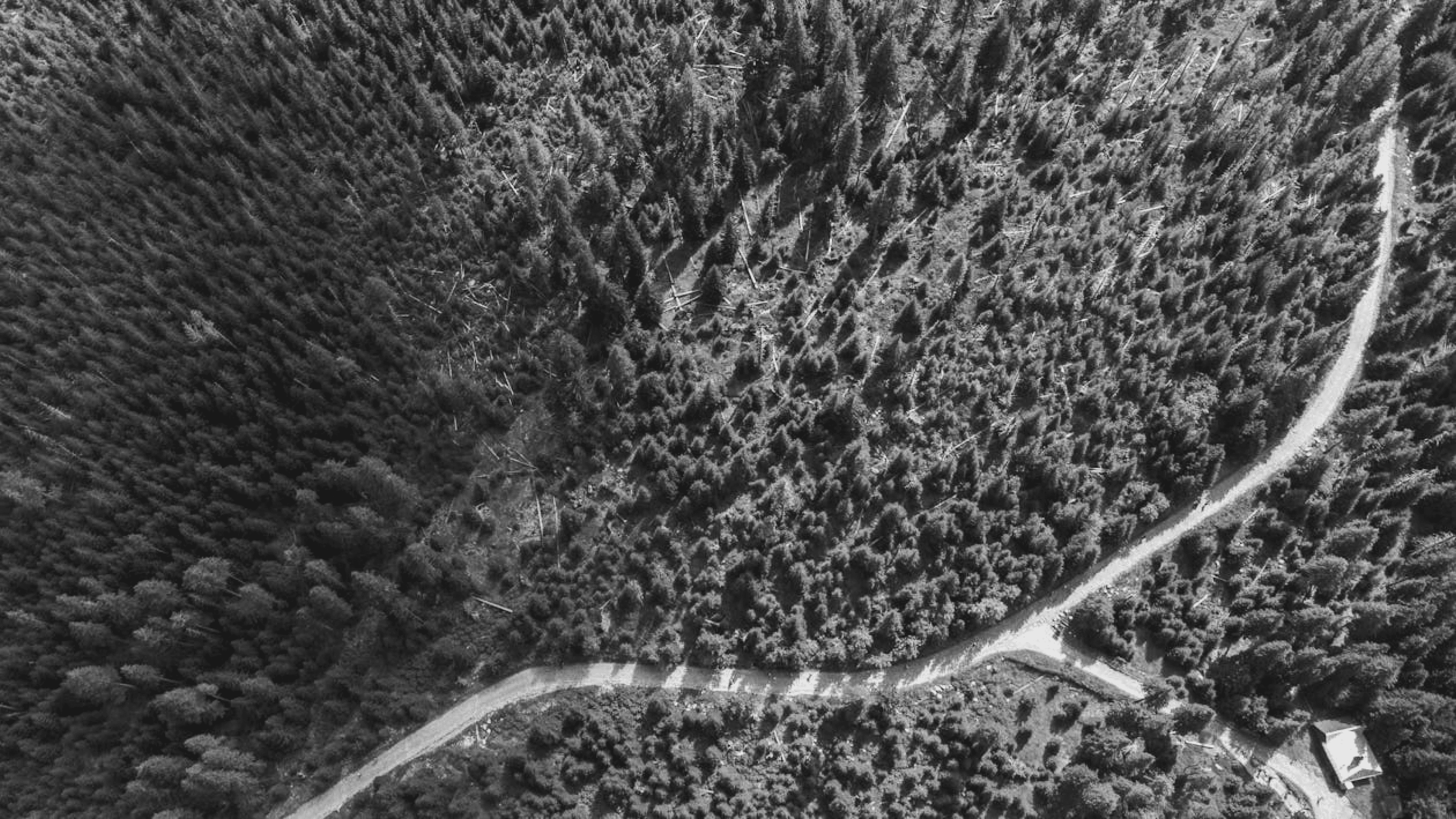
Agriculture refers to the practice of cultivating soil, growing crops, and raising animals for food, fiber, and other products used to sustain and enhance human life. This skill encompasses various techniques and knowledge related to plant and animal biology, soil management, pest control, and sustainable farming practices. Knowledge of Agriculture is used to improve crop yields, ensure food security, and promote environmental stewardship through effective resource management and innovative farming methods.
Forest management is the process of managing forests or woodlands to meet specific economic, social, and ecological objectives. It involves the development and implementation of a comprehensive plan to sustainably harvest forest resources, maintain forest health, and protect wildlife habitats. This specialized skill requires knowledge of forestry science, land management, and conservation practices, as well as interpersonal, business, and technical skills. Effective forest managers must be capable of analyzing data, communicating with stakeholders, making informed decisions, and adapting to changing conditions.
Invasive Species Management refers to the process of controlling and mitigating the impact of non-native species that threaten local ecosystems, agriculture, and biodiversity. This skill involves assessing the presence and spread of invasive species, developing strategies for their removal or containment, and implementing monitoring programs to prevent re-infestation. Knowledge of Invasive Species Management is used to protect native species and habitats, ensuring ecological balance and sustainability in affected areas.
Natural Resource Management refers to the sustainable management of natural resources such as land, water, soil, plants, and animals to meet current and future human needs while preserving ecosystem health. This skill encompasses the assessment, planning, and implementation of strategies that balance environmental, economic, and social objectives. Knowledge of Natural Resource Management is used to develop policies and practices that promote conservation, enhance resource efficiency, and mitigate environmental impacts. It plays a critical role in addressing challenges such as climate change, habitat loss, and resource depletion.
Wildlife Management refers to the practice of conserving and managing wildlife populations and their habitats to ensure ecological balance and sustainability. This skill encompasses techniques for monitoring species, assessing habitat conditions, and implementing conservation strategies. Knowledge of Wildlife Management is used to address issues such as habitat loss, species decline, and human-wildlife conflict, ultimately promoting biodiversity and ecosystem health.
Lightcast Skills Taxonomy
Looking for a specific skill? Search our library. Explore 35,000+ skills that we've collected from hundreds of millions of job postings, resumes, and online profiles.
The Lightcast Skills Taxonomy delivers clarity by allowing everyone to speak the same language. Use our APIs to articulate your skills needs, and leave the details to us: our dedicated team of taxonomists and engineers cleans, checks, and updates each entry so that you always have the most accurate and up-to-date picture of the labor market.
Are you a nonprofit pursuing a public good? Lightcast Skills APIs are freely available to you because we believe in using data for good and creating a labor market that works for everyone. Through the shared language of skills, we can enable a world where every worker and every job can find their best fits as efficiently and easily as possible.



Skills Hierarchy and Tags
Related Skills
Browse the most common related skills to this skill, based on the last 5 months of job postings data.
How does Lightcast define a skill?Agriculture refers to the practice of cultivating soil, growing crops, and raising animals for food, fiber, and other products used to sustain and enhance human life. This skill encompasses various techniques and knowledge related to plant and animal biology, soil management, pest control, and sustainable farming practices. Knowledge of Agriculture is used to improve crop yields, ensure food security, and promote environmental stewardship through effective resource management and innovative farming methods.
Forest management is the process of managing forests or woodlands to meet specific economic, social, and ecological objectives. It involves the development and implementation of a comprehensive plan to sustainably harvest forest resources, maintain forest health, and protect wildlife habitats. This specialized skill requires knowledge of forestry science, land management, and conservation practices, as well as interpersonal, business, and technical skills. Effective forest managers must be capable of analyzing data, communicating with stakeholders, making informed decisions, and adapting to changing conditions.
Invasive Species Management refers to the process of controlling and mitigating the impact of non-native species that threaten local ecosystems, agriculture, and biodiversity. This skill involves assessing the presence and spread of invasive species, developing strategies for their removal or containment, and implementing monitoring programs to prevent re-infestation. Knowledge of Invasive Species Management is used to protect native species and habitats, ensuring ecological balance and sustainability in affected areas.
Natural Resource Management refers to the sustainable management of natural resources such as land, water, soil, plants, and animals to meet current and future human needs while preserving ecosystem health. This skill encompasses the assessment, planning, and implementation of strategies that balance environmental, economic, and social objectives. Knowledge of Natural Resource Management is used to develop policies and practices that promote conservation, enhance resource efficiency, and mitigate environmental impacts. It plays a critical role in addressing challenges such as climate change, habitat loss, and resource depletion.
Wildlife Management refers to the practice of conserving and managing wildlife populations and their habitats to ensure ecological balance and sustainability. This skill encompasses techniques for monitoring species, assessing habitat conditions, and implementing conservation strategies. Knowledge of Wildlife Management is used to address issues such as habitat loss, species decline, and human-wildlife conflict, ultimately promoting biodiversity and ecosystem health.
Lightcast Skills Taxonomy
Looking for a specific skill? Search our library. Explore 35,000+ skills that we've collected from hundreds of millions of job postings, resumes, and online profiles.
The Lightcast Skills Taxonomy delivers clarity by allowing everyone to speak the same language. Use our APIs to articulate your skills needs, and leave the details to us: our dedicated team of taxonomists and engineers cleans, checks, and updates each entry so that you always have the most accurate and up-to-date picture of the labor market.
Are you a nonprofit pursuing a public good? Lightcast Skills APIs are freely available to you because we believe in using data for good and creating a labor market that works for everyone. Through the shared language of skills, we can enable a world where every worker and every job can find their best fits as efficiently and easily as possible.
Get API Access
This skill is part of the Lightcast Skills Taxonomy, a library of over 35,000 job related skills. It is the standard used by higher education institutions, public sector organizations and Fortune 500 companies around the globe.