
Grid Connections
Grid Connections refer to the integration of energy systems with the electrical grid, facilitating the transfer of electricity between generation sources and consumers. This skill encompasses knowledge of grid infrastructure, connection pro...
Skills Hierarchy and Tags
Related Skills
Browse the most common related skills to this skill, based on the last 5 months of job postings data.
How does Lightcast define a skill?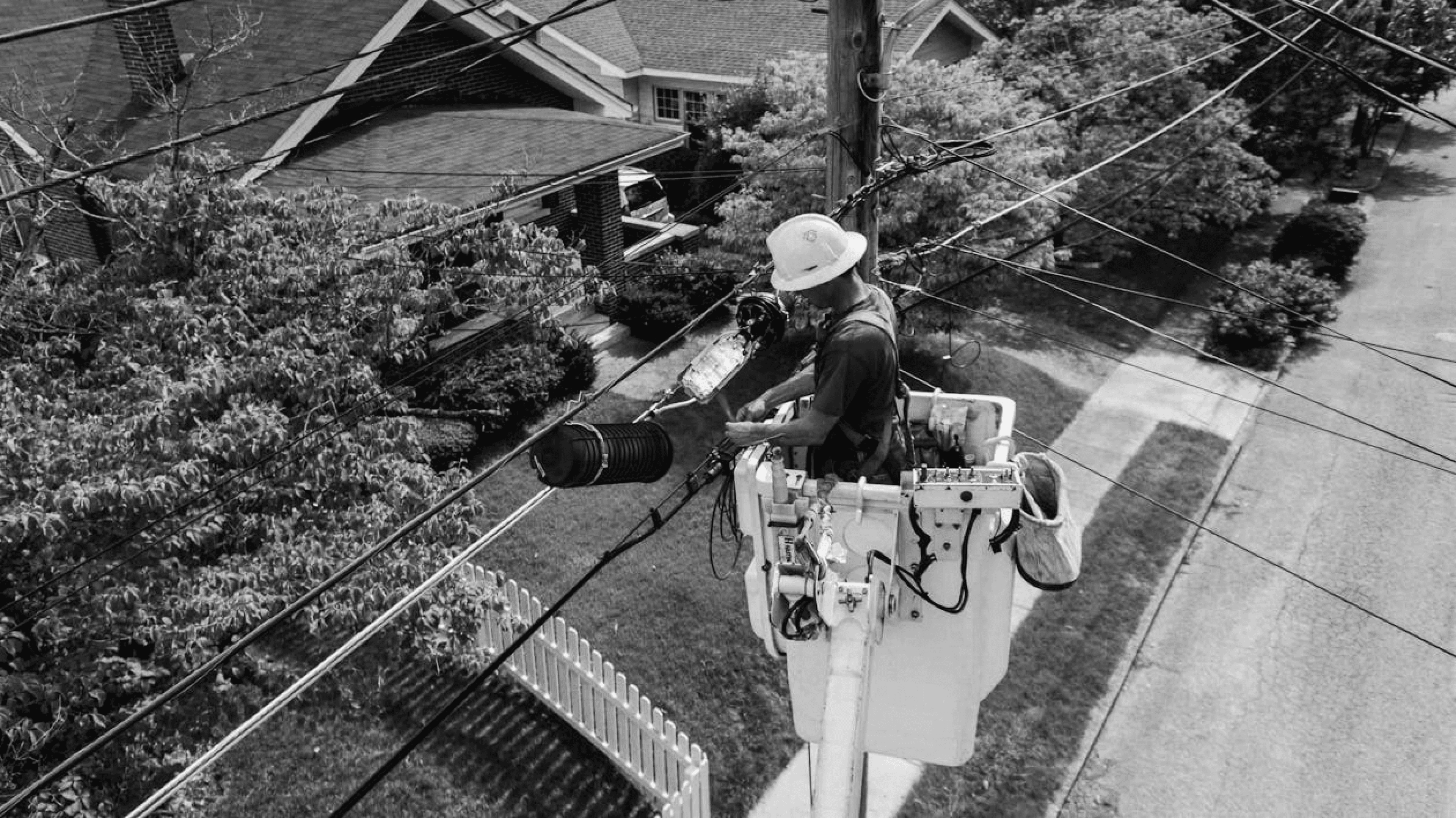
Distributed Generation (DG) refers to small-scale electricity generation that is located close to where the power is being used. It often involves using renewable energy sources, such as wind or solar power, and is increasingly becoming a popular option for individuals, businesses, and communities seeking greater control over their energy supply and consumption. Managing and implementing DG systems requires specialized knowledge and skill, as it involves complex energy management, equipment selection, and regulatory considerations.
ETAP refers to an advanced software tool used for electrical power system analysis and design. This skill encompasses modeling, simulation, and analysis of electrical networks to ensure reliability, efficiency, and safety in power systems. Knowledge of ETAP is utilized to perform load flow studies, short circuit analysis, and protective device coordination, aiding engineers in optimizing system performance and compliance with industry standards.
Load Flow Analysis refers to the study of electrical power systems to determine the flow of electric power through the network under steady-state conditions. This skill involves calculating voltage levels, power losses, and the distribution of electrical loads across various components of the system. Load Flow Analysis is used to optimize the performance of power systems, ensuring reliability and efficiency in electricity delivery while identifying potential issues such as overloads or voltage drops. Understanding this analysis aids in the planning and operation of electrical grids and facilitates the integration of renewable energy sources.
Power Engineering refers to the field that focuses on the generation, transmission, distribution, and utilization of electrical power. This skill encompasses the principles of electrical systems, including the design and operation of power plants, substations, and electrical grids. Knowledge of Power Engineering is used to ensure the efficient and reliable delivery of electricity, manage energy resources, and implement safety standards in electrical infrastructure. It plays a critical role in supporting the development of sustainable energy solutions and addressing the challenges of modern power systems.
Power-System Protection refers to the methods and technologies employed to safeguard electrical power systems from faults and disturbances. This skill encompasses the design and implementation of protective devices and systems that detect abnormal conditions, isolate affected sections, and maintain system stability. Knowledge of Power-System Protection is used to enhance the reliability and safety of power delivery, ensuring minimal disruption to service and protection of equipment from damage.
Lightcast Skills Taxonomy
Looking for a specific skill? Search our library. Explore 35,000+ skills that we've collected from hundreds of millions of job postings, resumes, and online profiles.
The Lightcast Skills Taxonomy delivers clarity by allowing everyone to speak the same language. Use our APIs to articulate your skills needs, and leave the details to us: our dedicated team of taxonomists and engineers cleans, checks, and updates each entry so that you always have the most accurate and up-to-date picture of the labor market.
Are you a nonprofit pursuing a public good? Lightcast Skills APIs are freely available to you because we believe in using data for good and creating a labor market that works for everyone. Through the shared language of skills, we can enable a world where every worker and every job can find their best fits as efficiently and easily as possible.



Skills Hierarchy and Tags
Related Skills
Browse the most common related skills to this skill, based on the last 5 months of job postings data.
How does Lightcast define a skill?Distributed Generation (DG) refers to small-scale electricity generation that is located close to where the power is being used. It often involves using renewable energy sources, such as wind or solar power, and is increasingly becoming a popular option for individuals, businesses, and communities seeking greater control over their energy supply and consumption. Managing and implementing DG systems requires specialized knowledge and skill, as it involves complex energy management, equipment selection, and regulatory considerations.
ETAP refers to an advanced software tool used for electrical power system analysis and design. This skill encompasses modeling, simulation, and analysis of electrical networks to ensure reliability, efficiency, and safety in power systems. Knowledge of ETAP is utilized to perform load flow studies, short circuit analysis, and protective device coordination, aiding engineers in optimizing system performance and compliance with industry standards.
Load Flow Analysis refers to the study of electrical power systems to determine the flow of electric power through the network under steady-state conditions. This skill involves calculating voltage levels, power losses, and the distribution of electrical loads across various components of the system. Load Flow Analysis is used to optimize the performance of power systems, ensuring reliability and efficiency in electricity delivery while identifying potential issues such as overloads or voltage drops. Understanding this analysis aids in the planning and operation of electrical grids and facilitates the integration of renewable energy sources.
Power Engineering refers to the field that focuses on the generation, transmission, distribution, and utilization of electrical power. This skill encompasses the principles of electrical systems, including the design and operation of power plants, substations, and electrical grids. Knowledge of Power Engineering is used to ensure the efficient and reliable delivery of electricity, manage energy resources, and implement safety standards in electrical infrastructure. It plays a critical role in supporting the development of sustainable energy solutions and addressing the challenges of modern power systems.
Power-System Protection refers to the methods and technologies employed to safeguard electrical power systems from faults and disturbances. This skill encompasses the design and implementation of protective devices and systems that detect abnormal conditions, isolate affected sections, and maintain system stability. Knowledge of Power-System Protection is used to enhance the reliability and safety of power delivery, ensuring minimal disruption to service and protection of equipment from damage.
Lightcast Skills Taxonomy
Looking for a specific skill? Search our library. Explore 35,000+ skills that we've collected from hundreds of millions of job postings, resumes, and online profiles.
The Lightcast Skills Taxonomy delivers clarity by allowing everyone to speak the same language. Use our APIs to articulate your skills needs, and leave the details to us: our dedicated team of taxonomists and engineers cleans, checks, and updates each entry so that you always have the most accurate and up-to-date picture of the labor market.
Are you a nonprofit pursuing a public good? Lightcast Skills APIs are freely available to you because we believe in using data for good and creating a labor market that works for everyone. Through the shared language of skills, we can enable a world where every worker and every job can find their best fits as efficiently and easily as possible.
Get API Access
This skill is part of the Lightcast Skills Taxonomy, a library of over 35,000 job related skills. It is the standard used by higher education institutions, public sector organizations and Fortune 500 companies around the globe.