
Hydraulic Machinery
Hydraulic machinery involves the use of pressurized fluids to operate various types of machinery such as cranes, excavators, and lifts. It requires a specialized skill set to operate and maintain these systems as they can be complex and pot...
Skills Hierarchy and Tags
Related Skills
Browse the most common related skills to this skill, based on the last 5 months of job postings data.
How does Lightcast define a skill?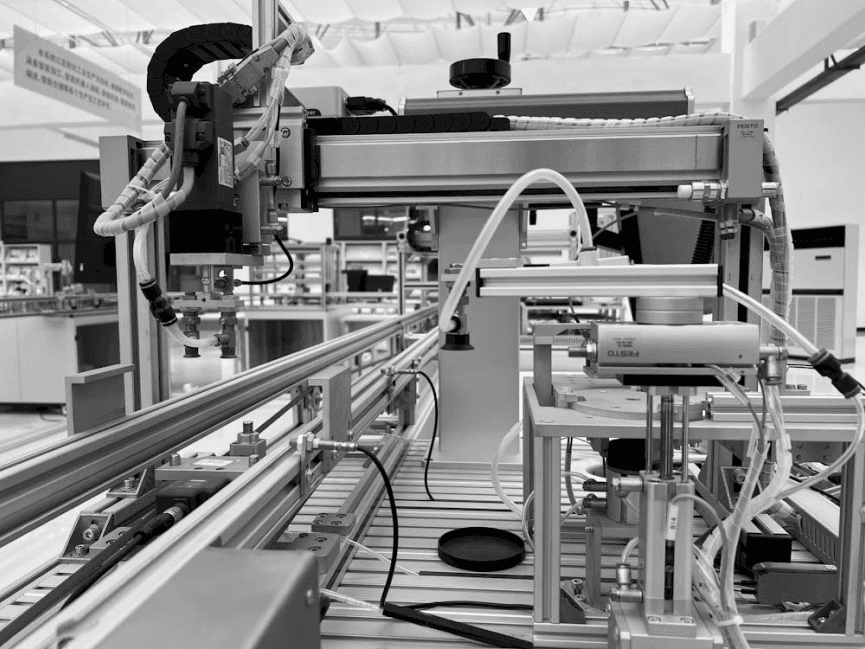
Conveyor systems involve the design, installation, and maintenance of mechanical equipment used to transport materials and goods from one location to another. It requires specialized skills such as knowledge of mechanical engineering, electrical systems, and computer programming. Effective conveyor systems can improve operational efficiency and reduce labor costs for industries such as manufacturing, logistics, and mining.
Industrial Repair And Maintenance refers to the skill of inspecting, servicing, troubleshooting, and restoring industrial equipment, machinery, and facility systems. It is applied in work settings to prevent breakdowns, correct faults, replace worn parts, and keep operations running safely and efficiently. This skill also includes planning routine maintenance tasks, documenting repairs, and following established procedures and safety requirements.
Pneumatic schematics is the ability to understand and interpret diagrams that show the layout and operation of pneumatic systems. It involves knowledge of pneumatic components such as valves, cylinders, and compressors, as well as the ability to read and create technical drawings. This skill is essential for professionals who work with pneumatic systems, such as engineers, technicians, and maintenance personnel. Mastery of pneumatic schematics requires a strong understanding of physics, mechanics, and engineering principles.
Screw conveyors are a type of equipment used to move bulk materials from one location to another using a rotating screw-like mechanism. This process requires specialized knowledge and skills, including the ability to design and manufacture screw conveyors to specific requirements, as well as the ability to install, operate and maintain them in various industrial settings. Screw conveyor specialists may have a background in mechanical engineering, manufacturing, or materials handling, among other related fields.
Sprocket refers to a mechanical component that engages with a chain or belt to transmit motion and power between different parts of a machine. This skill encompasses the design, selection, and application of sprockets in various mechanical systems, ensuring efficient energy transfer and movement. Knowledge of Sprocket is used to optimize machinery performance in industries such as manufacturing, automotive, and robotics by facilitating precise control of mechanical operations.
Lightcast Skills Taxonomy

Lightcast Skills Resources

Plumbers’ Salaries in the US: Pay and Purchasing Power by State

Where Talent Wants to Be: The 2026 Talent Attraction Scorecard

It’s Scary That AI Might Give You Bad Data. It’s Terrifying That You Might Believe It.
Skills Hierarchy and Tags
Related Skills
Browse the most common related skills to this skill, based on the last 5 months of job postings data.
How does Lightcast define a skill?Conveyor systems involve the design, installation, and maintenance of mechanical equipment used to transport materials and goods from one location to another. It requires specialized skills such as knowledge of mechanical engineering, electrical systems, and computer programming. Effective conveyor systems can improve operational efficiency and reduce labor costs for industries such as manufacturing, logistics, and mining.
Industrial Repair And Maintenance refers to the skill of inspecting, servicing, troubleshooting, and restoring industrial equipment, machinery, and facility systems. It is applied in work settings to prevent breakdowns, correct faults, replace worn parts, and keep operations running safely and efficiently. This skill also includes planning routine maintenance tasks, documenting repairs, and following established procedures and safety requirements.
Pneumatic schematics is the ability to understand and interpret diagrams that show the layout and operation of pneumatic systems. It involves knowledge of pneumatic components such as valves, cylinders, and compressors, as well as the ability to read and create technical drawings. This skill is essential for professionals who work with pneumatic systems, such as engineers, technicians, and maintenance personnel. Mastery of pneumatic schematics requires a strong understanding of physics, mechanics, and engineering principles.
Screw conveyors are a type of equipment used to move bulk materials from one location to another using a rotating screw-like mechanism. This process requires specialized knowledge and skills, including the ability to design and manufacture screw conveyors to specific requirements, as well as the ability to install, operate and maintain them in various industrial settings. Screw conveyor specialists may have a background in mechanical engineering, manufacturing, or materials handling, among other related fields.
Sprocket refers to a mechanical component that engages with a chain or belt to transmit motion and power between different parts of a machine. This skill encompasses the design, selection, and application of sprockets in various mechanical systems, ensuring efficient energy transfer and movement. Knowledge of Sprocket is used to optimize machinery performance in industries such as manufacturing, automotive, and robotics by facilitating precise control of mechanical operations.
Lightcast Skills Taxonomy
Lightcast Skills Resources
Plumbers’ Salaries in the US: Pay and Purchasing Power by State
Where Talent Wants to Be: The 2026 Talent Attraction Scorecard
It’s Scary That AI Might Give You Bad Data. It’s Terrifying That You Might Believe It.
Get API Access
This skill is part of the Lightcast Skills Taxonomy, a library of over 35,000 job related skills. It is the standard used by higher education institutions, public sector organizations and Fortune 500 companies around the globe.