
Machinery
Machinery refers to any type of mechanical device or equipment used for performing a specific task or function. Operating machinery requires specialized knowledge, training and expertise to ensure proper use and maintenance, and to prevent...
Skills Hierarchy and Tags
Related Skills
Browse the most common related skills to this skill, based on the last 5 months of job postings data.
How does Lightcast define a skill?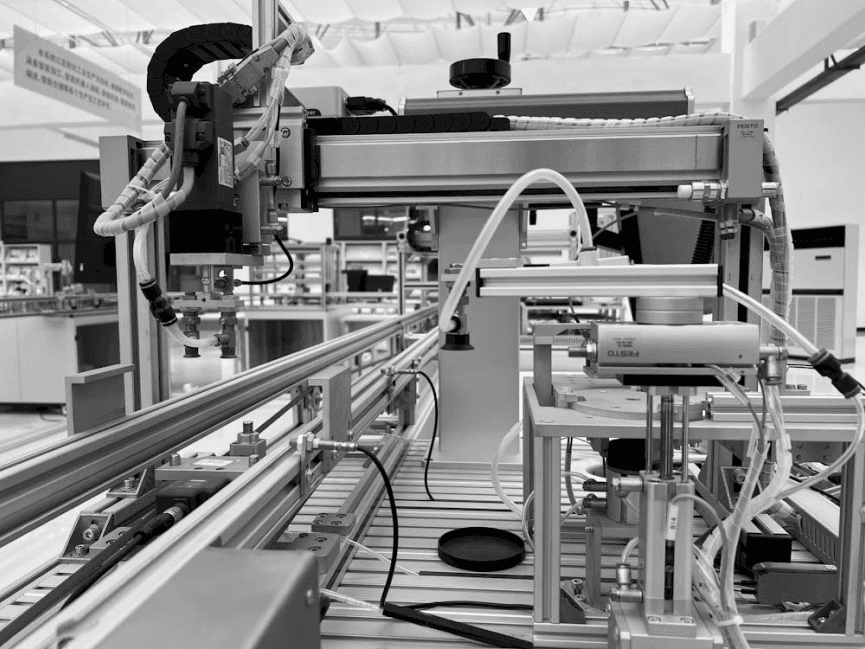
Blueprinting refers to the process of creating detailed plans or diagrams that outline the specifications and requirements for a project or system. This skill involves the use of design principles and technical knowledge to produce accurate representations that guide the development and implementation of various initiatives. Knowledge of Blueprinting is utilized to ensure clarity in communication among stakeholders, facilitate project execution, and maintain alignment with project objectives and standards.
Fabrication refers to the process of creating products or structures by assembling various materials through cutting, shaping, and joining techniques. This skill encompasses knowledge of different fabrication methods, such as welding, machining, and molding, which enable the transformation of raw materials into finished goods. Understanding Fabrication is used to produce components for industries such as manufacturing, construction, and engineering, ensuring precision and quality in the final output.
Hoisting is the process of lifting and moving heavy objects using specialized equipment, such as cranes and rigging systems. It requires highly specialized skills, experience, and knowledge of safety protocols. Hoisting may be necessary in construction, industrial, and transportation settings, and is often performed by trained professionals. Proper hoisting techniques and equipment are essential to ensure the safety of workers and the general public.
Metal Inert Gas (MIG) Welding refers to a welding process that utilizes a continuous wire feed as an electrode and an inert gas to shield the weld from contamination. This skill involves the application of heat generated by an electric arc to melt and join metal components, ensuring strong and durable connections. Knowledge of Metal Inert Gas (MIG) Welding is used in various industries to fabricate and repair metal structures, enabling efficient and precise welding in both thin and thick materials.
Welding refers to the process of joining materials, typically metals or thermoplastics, through the application of heat, pressure, or both. This skill encompasses various techniques, such as arc welding, MIG welding, and TIG welding, which enable the creation of strong, durable connections between components. Knowledge of Welding is used in numerous applications, including construction, manufacturing, and repair, by ensuring structural integrity and functionality of assembled parts.
Lightcast Skills Taxonomy

Lightcast Skills Resources

Plumbers’ Salaries in the US: Pay and Purchasing Power by State

Where Talent Wants to Be: The 2026 Talent Attraction Scorecard

It’s Scary That AI Might Give You Bad Data. It’s Terrifying That You Might Believe It.
Skills Hierarchy and Tags
Related Skills
Browse the most common related skills to this skill, based on the last 5 months of job postings data.
How does Lightcast define a skill?Blueprinting refers to the process of creating detailed plans or diagrams that outline the specifications and requirements for a project or system. This skill involves the use of design principles and technical knowledge to produce accurate representations that guide the development and implementation of various initiatives. Knowledge of Blueprinting is utilized to ensure clarity in communication among stakeholders, facilitate project execution, and maintain alignment with project objectives and standards.
Fabrication refers to the process of creating products or structures by assembling various materials through cutting, shaping, and joining techniques. This skill encompasses knowledge of different fabrication methods, such as welding, machining, and molding, which enable the transformation of raw materials into finished goods. Understanding Fabrication is used to produce components for industries such as manufacturing, construction, and engineering, ensuring precision and quality in the final output.
Hoisting is the process of lifting and moving heavy objects using specialized equipment, such as cranes and rigging systems. It requires highly specialized skills, experience, and knowledge of safety protocols. Hoisting may be necessary in construction, industrial, and transportation settings, and is often performed by trained professionals. Proper hoisting techniques and equipment are essential to ensure the safety of workers and the general public.
Metal Inert Gas (MIG) Welding refers to a welding process that utilizes a continuous wire feed as an electrode and an inert gas to shield the weld from contamination. This skill involves the application of heat generated by an electric arc to melt and join metal components, ensuring strong and durable connections. Knowledge of Metal Inert Gas (MIG) Welding is used in various industries to fabricate and repair metal structures, enabling efficient and precise welding in both thin and thick materials.
Welding refers to the process of joining materials, typically metals or thermoplastics, through the application of heat, pressure, or both. This skill encompasses various techniques, such as arc welding, MIG welding, and TIG welding, which enable the creation of strong, durable connections between components. Knowledge of Welding is used in numerous applications, including construction, manufacturing, and repair, by ensuring structural integrity and functionality of assembled parts.
Lightcast Skills Taxonomy
Lightcast Skills Resources
Plumbers’ Salaries in the US: Pay and Purchasing Power by State
Where Talent Wants to Be: The 2026 Talent Attraction Scorecard
It’s Scary That AI Might Give You Bad Data. It’s Terrifying That You Might Believe It.
Get API Access
This skill is part of the Lightcast Skills Taxonomy, a library of over 35,000 job related skills. It is the standard used by higher education institutions, public sector organizations and Fortune 500 companies around the globe.