
Direct Digital Manufacturing
Direct Digital Manufacturing refers to the use of digital design data to produce physical parts directly through automated manufacturing processes. It involves translating computer based models into instructions that guide equipment to crea...
Skills Hierarchy and Tags
Related Skills
Browse the most common related skills to this skill, based on the last 5 months of job postings data.
How does Lightcast define a skill?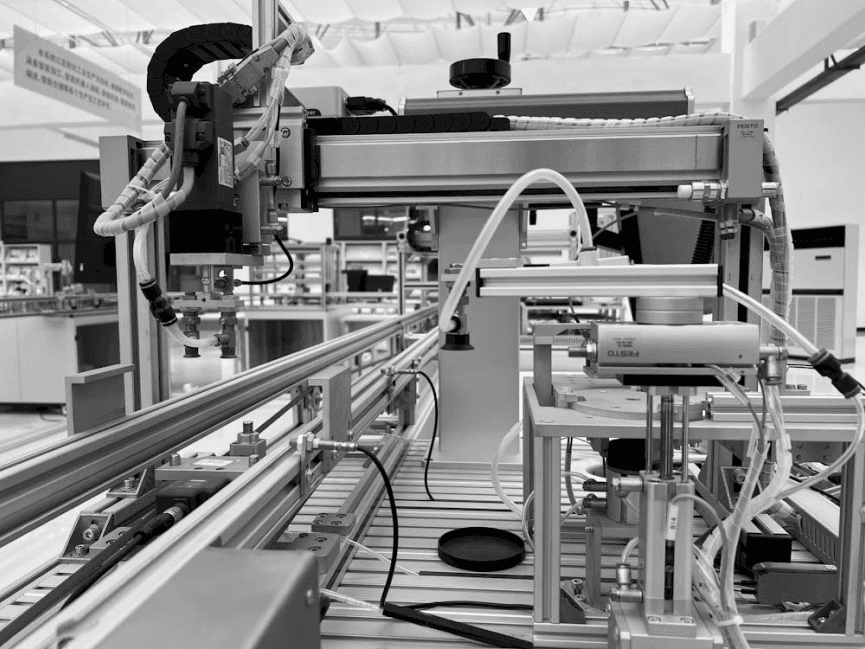
Aerospace Materials refers to the study and application of materials specifically designed for use in the aerospace industry, including aircraft, spacecraft, and related systems. This skill encompasses knowledge of material properties, performance characteristics, and manufacturing processes that ensure safety, durability, and efficiency in aerospace applications. Understanding Aerospace Materials is used to select appropriate materials for various components, optimize weight-to-strength ratios, and enhance overall performance in extreme environments.
Die casting is a specialized manufacturing process for producing metal parts by forcing molten metal into a mold cavity under high pressure. This process is commonly used for producing high-volume, high-precision parts with complex shapes and tight tolerances. Die casting requires specialized equipment and skilled operators with expertise in casting process design, mold making, metallurgy, and quality control.
Metal Powder refers to finely divided particles of metal that are used in various industrial applications, including additive manufacturing, powder metallurgy, and surface coating. This skill involves understanding the properties and behavior of different metal powders, which enables the user to select appropriate materials for specific processes and applications. Knowledge of Metal Powder is utilized to optimize production techniques, enhance material performance, and achieve desired physical characteristics in finished products.
Process specification is the process of defining the steps, requirements, inputs, and outputs of a specific process. It requires specialized skills in process mapping, documentation, and analysis, as well as an understanding of the specific industry or domain the process relates to. The goal of process specification is to create a clear and standardized framework for a business process, which can improve efficiency, reduce errors and risks, and ultimately lead to better outcomes for the organization.
Sand Casting refers to a metal casting process that utilizes sand as the mold material to shape molten metal into desired forms. This skill involves creating a pattern, forming a mold from sand, and pouring molten metal into the mold cavity to produce a solidified part. Knowledge of Sand Casting is used to manufacture complex shapes and components in various industries, including automotive and aerospace, by enabling the production of intricate designs with good dimensional accuracy. The process also allows for the recycling of sand, making it a cost-effective method for producing metal parts.
Lightcast Skills Taxonomy
Looking for a specific skill? Search our library. Explore 35,000+ skills that we've collected from hundreds of millions of job postings, resumes, and online profiles.
The Lightcast Skills Taxonomy delivers clarity by allowing everyone to speak the same language. Use our APIs to articulate your skills needs, and leave the details to us: our dedicated team of taxonomists and engineers cleans, checks, and updates each entry so that you always have the most accurate and up-to-date picture of the labor market.
Are you a nonprofit pursuing a public good? Lightcast Skills APIs are freely available to you because we believe in using data for good and creating a labor market that works for everyone. Through the shared language of skills, we can enable a world where every worker and every job can find their best fits as efficiently and easily as possible.
Browse Skill Categories

Lightcast Skills Resources

The Lightcast Skills Taxonomy

Stop Predicting the Future. Start Preparing for It.

How Many Jobs Does a Data Center Create? Construction vs. Permanent Jobs
Skills Hierarchy and Tags
Related Skills
Browse the most common related skills to this skill, based on the last 5 months of job postings data.
How does Lightcast define a skill?Aerospace Materials refers to the study and application of materials specifically designed for use in the aerospace industry, including aircraft, spacecraft, and related systems. This skill encompasses knowledge of material properties, performance characteristics, and manufacturing processes that ensure safety, durability, and efficiency in aerospace applications. Understanding Aerospace Materials is used to select appropriate materials for various components, optimize weight-to-strength ratios, and enhance overall performance in extreme environments.
Die casting is a specialized manufacturing process for producing metal parts by forcing molten metal into a mold cavity under high pressure. This process is commonly used for producing high-volume, high-precision parts with complex shapes and tight tolerances. Die casting requires specialized equipment and skilled operators with expertise in casting process design, mold making, metallurgy, and quality control.
Metal Powder refers to finely divided particles of metal that are used in various industrial applications, including additive manufacturing, powder metallurgy, and surface coating. This skill involves understanding the properties and behavior of different metal powders, which enables the user to select appropriate materials for specific processes and applications. Knowledge of Metal Powder is utilized to optimize production techniques, enhance material performance, and achieve desired physical characteristics in finished products.
Process specification is the process of defining the steps, requirements, inputs, and outputs of a specific process. It requires specialized skills in process mapping, documentation, and analysis, as well as an understanding of the specific industry or domain the process relates to. The goal of process specification is to create a clear and standardized framework for a business process, which can improve efficiency, reduce errors and risks, and ultimately lead to better outcomes for the organization.
Sand Casting refers to a metal casting process that utilizes sand as the mold material to shape molten metal into desired forms. This skill involves creating a pattern, forming a mold from sand, and pouring molten metal into the mold cavity to produce a solidified part. Knowledge of Sand Casting is used to manufacture complex shapes and components in various industries, including automotive and aerospace, by enabling the production of intricate designs with good dimensional accuracy. The process also allows for the recycling of sand, making it a cost-effective method for producing metal parts.
Lightcast Skills Taxonomy
Looking for a specific skill? Search our library. Explore 35,000+ skills that we've collected from hundreds of millions of job postings, resumes, and online profiles.
The Lightcast Skills Taxonomy delivers clarity by allowing everyone to speak the same language. Use our APIs to articulate your skills needs, and leave the details to us: our dedicated team of taxonomists and engineers cleans, checks, and updates each entry so that you always have the most accurate and up-to-date picture of the labor market.
Are you a nonprofit pursuing a public good? Lightcast Skills APIs are freely available to you because we believe in using data for good and creating a labor market that works for everyone. Through the shared language of skills, we can enable a world where every worker and every job can find their best fits as efficiently and easily as possible.
Browse Skill Categories
Lightcast Skills Resources
The Lightcast Skills Taxonomy
Stop Predicting the Future. Start Preparing for It.
How Many Jobs Does a Data Center Create? Construction vs. Permanent Jobs
Get API Access
This skill is part of the Lightcast Skills Taxonomy, a library of over 35,000 job related skills. It is the standard used by higher education institutions, public sector organizations and Fortune 500 companies around the globe.