
Recipes
Recipes refer to a set of instructions that outline the ingredients and steps required to prepare a specific dish or food item. This skill encompasses knowledge of various cooking techniques, ingredient combinations, and flavor profiles tha...
Skills Hierarchy and Tags
Related Skills
Browse the most common related skills to this skill, based on the last 5 months of job postings data.
How does Lightcast define a skill?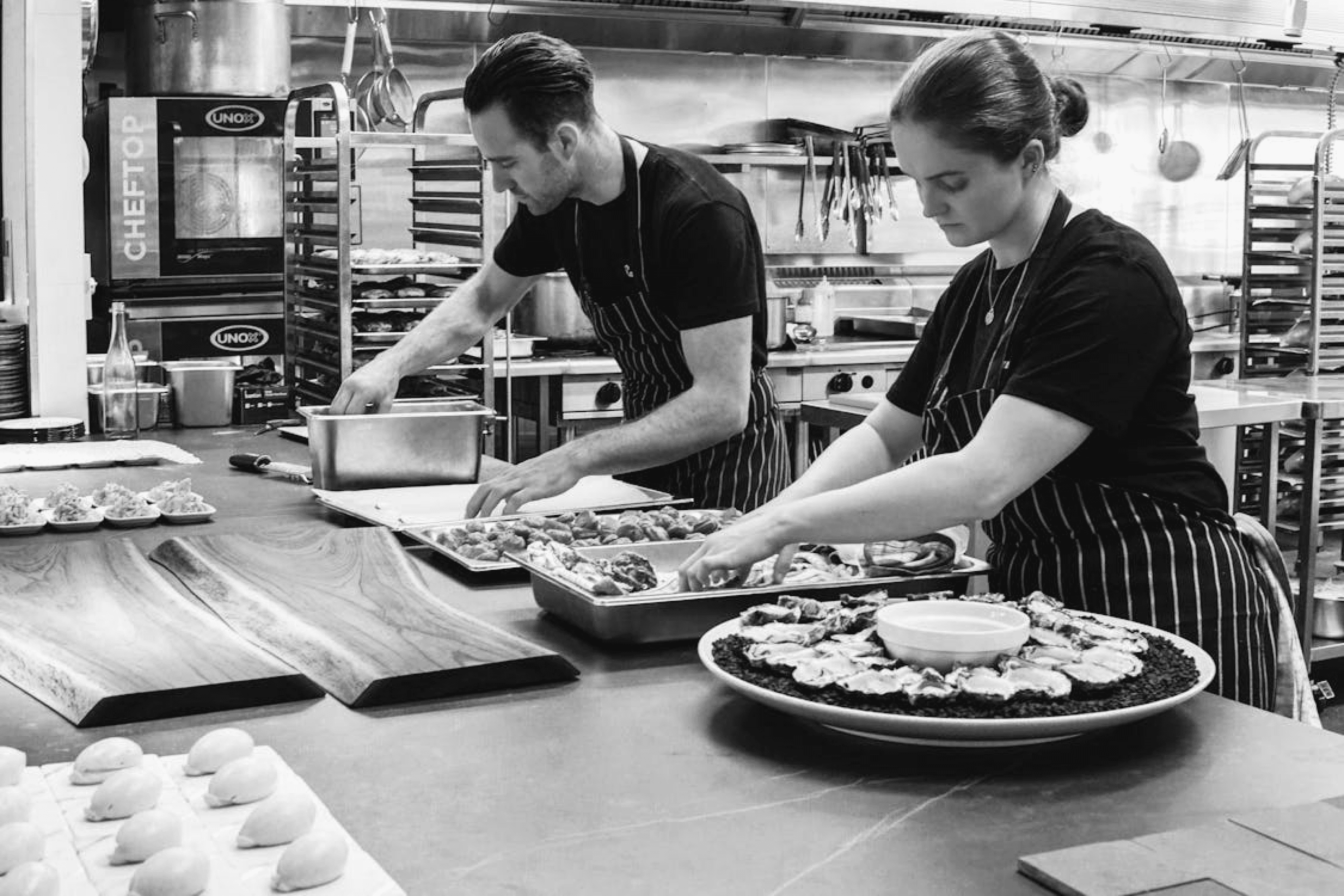
Cash Management Practices refer to methods and strategies for effectively handling and optimizing an organization's cash flow. This includes forecasting cash needs, managing liquidity, and ensuring sufficient cash is available to meet operational requirements and financial obligations. Cash Management Practices are used to minimize financial risks, enhance profitability, and maintain overall fiscal stability.
Quick Learning is the ability of individuals to rapidly and continuously acquire new knowledge. It involves being open to learning opportunities, embracing a growth mindset, and proactively seeking out information and experiences to improve one's capabilities. This skill enables individuals to adapt to changing environments, stay updated with the latest developments, and enhance their personal and professional growth. It is a valuable asset for staying competitive and innovative in various domains by quickly absorbing and applying new insights and skills.
Roasting refers to a cooking technique that involves applying dry heat to food, typically in an oven, to achieve a browned and flavorful exterior while retaining moisture within. This skill encompasses knowledge of temperature control, timing, and seasoning, which are essential for enhancing the natural flavors of ingredients such as meats, vegetables, and coffee beans. Roasting is used to create a variety of dishes, contributing to texture and taste, and is often employed in both home cooking and professional culinary settings.
Sanitation refers to public health conditions related to clean drinking water and treatment and disposal of human excreta and sewage. Preventing human contact with feces is part of sanitation, as is hand washing with soap. Sanitation systems aim to protect human health by providing a clean environment that will stop the transmission of disease, especially through the fecal–oral route. For example, diarrhea, a main cause of malnutrition and stunted growth in children, can be reduced through adequate sanitation. There are many other diseases which are easily transmitted in communities that have low levels of sanitation, such as ascariasis, cholera, hepatitis, polio, schistosomiasis, and trachoma, to name just a few.
Seasoning refers to the process of enhancing the flavor of food through the addition of various herbs, spices, and other flavoring agents. This skill involves understanding the balance and combination of different seasonings to achieve desired taste profiles in culinary dishes. Knowledge of Seasoning is used to elevate the overall sensory experience of meals, ensuring that flavors are well-rounded and complementary to the main ingredients. Proper application of Seasoning can significantly influence the palatability and appeal of a dish.
Lightcast Skills Taxonomy

Lightcast Skills Resources

Carpenters’ Salaries in the US: Pay and Purchasing Power by State

Plumbers’ Salaries in the US: Pay and Purchasing Power by State

Electricians’ Salaries in the US: Pay and Purchasing Power by State
Skills Hierarchy and Tags
Related Skills
Browse the most common related skills to this skill, based on the last 5 months of job postings data.
How does Lightcast define a skill?Cash Management Practices refer to methods and strategies for effectively handling and optimizing an organization's cash flow. This includes forecasting cash needs, managing liquidity, and ensuring sufficient cash is available to meet operational requirements and financial obligations. Cash Management Practices are used to minimize financial risks, enhance profitability, and maintain overall fiscal stability.
Quick Learning is the ability of individuals to rapidly and continuously acquire new knowledge. It involves being open to learning opportunities, embracing a growth mindset, and proactively seeking out information and experiences to improve one's capabilities. This skill enables individuals to adapt to changing environments, stay updated with the latest developments, and enhance their personal and professional growth. It is a valuable asset for staying competitive and innovative in various domains by quickly absorbing and applying new insights and skills.
Roasting refers to a cooking technique that involves applying dry heat to food, typically in an oven, to achieve a browned and flavorful exterior while retaining moisture within. This skill encompasses knowledge of temperature control, timing, and seasoning, which are essential for enhancing the natural flavors of ingredients such as meats, vegetables, and coffee beans. Roasting is used to create a variety of dishes, contributing to texture and taste, and is often employed in both home cooking and professional culinary settings.
Sanitation refers to public health conditions related to clean drinking water and treatment and disposal of human excreta and sewage. Preventing human contact with feces is part of sanitation, as is hand washing with soap. Sanitation systems aim to protect human health by providing a clean environment that will stop the transmission of disease, especially through the fecal–oral route. For example, diarrhea, a main cause of malnutrition and stunted growth in children, can be reduced through adequate sanitation. There are many other diseases which are easily transmitted in communities that have low levels of sanitation, such as ascariasis, cholera, hepatitis, polio, schistosomiasis, and trachoma, to name just a few.
Seasoning refers to the process of enhancing the flavor of food through the addition of various herbs, spices, and other flavoring agents. This skill involves understanding the balance and combination of different seasonings to achieve desired taste profiles in culinary dishes. Knowledge of Seasoning is used to elevate the overall sensory experience of meals, ensuring that flavors are well-rounded and complementary to the main ingredients. Proper application of Seasoning can significantly influence the palatability and appeal of a dish.
Lightcast Skills Taxonomy
Lightcast Skills Resources
Carpenters’ Salaries in the US: Pay and Purchasing Power by State
Plumbers’ Salaries in the US: Pay and Purchasing Power by State
Electricians’ Salaries in the US: Pay and Purchasing Power by State
Get API Access
This skill is part of the Lightcast Skills Taxonomy, a library of over 35,000 job related skills. It is the standard used by higher education institutions, public sector organizations and Fortune 500 companies around the globe.