
Crop Production
Crop Production refers to the process of cultivating plants for food, fiber, and other agricultural products. This skill encompasses knowledge of soil management, crop selection, planting techniques, and pest control, which enables the user...
Skills Hierarchy and Tags
Related Skills
Browse the most common related skills to this skill, based on the last 5 months of job postings data.
How does Lightcast define a skill?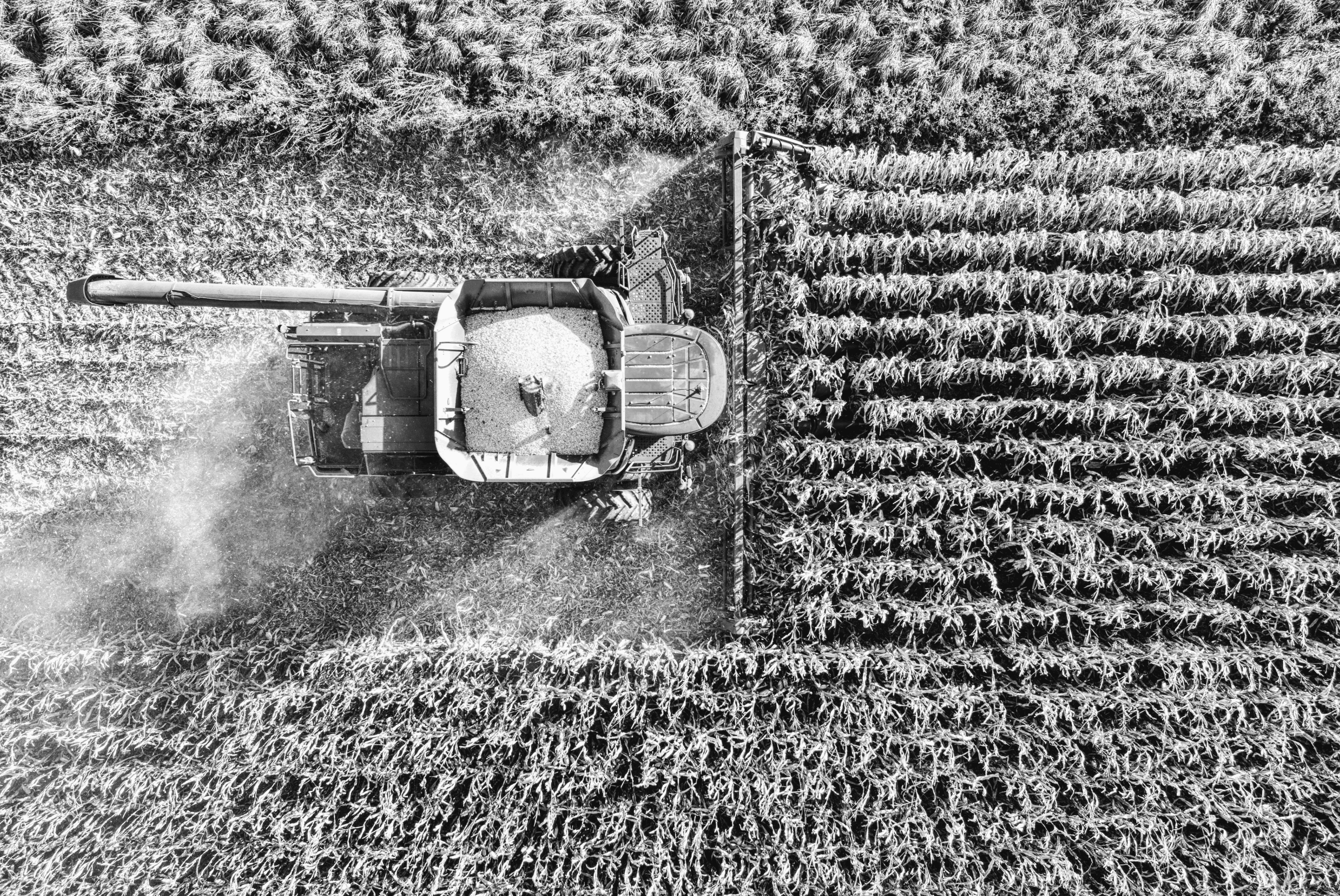
Agronomy refers to the science of soil management and crop systems for improved yields and production. It involves the application of principles from biology, plant science, chemistry, and environmental science to improve the efficiency and sustainability of agricultural practices. Agronomy is used to analyze soil conditions, assess the environmental impact of agricultural inputs such as fertilizers, and manage resources including water, nutrients, and pest control. It also supports evaluation of risks such as climate exposure, water stress, and land degradation to inform sustainable agricultural decisions.
Crop Management refers to the systematic approach to cultivating and maintaining crops to optimize yield and quality. This skill encompasses planning, monitoring, and controlling various agricultural practices, including soil management, pest control, irrigation, and harvesting techniques. Knowledge of Crop Management is used to enhance productivity, ensure sustainable practices, and mitigate risks associated with environmental factors and market fluctuations. Effective Crop Management contributes to food security and the efficient use of resources in agricultural systems.
Forestry equipment refers to the tools and machinery used in the management and harvesting of trees and forests. This includes chainsaws, skidders, harvesters, and mulchers. Operating and maintaining these specialized machines requires training and expertise in the unique demands of the forestry industry, such as safety protocols, environmental considerations, and maintenance requirements. Proper use of forestry equipment helps ensure the sustainability of forests and the safety of workers while optimizing production and profitability.
Nutrient management is the process of optimizing the use of nutrients such as nitrogen, phosphorus, and potassium in agricultural systems to maximize crop growth and minimize negative environmental impacts. It requires a specialized skill set that includes knowledge of soil science, plant physiology, agronomy, and environmental sustainability. Proper nutrient management practices can improve yield and quality of crops, reduce fertilizer costs, and minimize nutrient pollution.
Precision Agriculture is an advanced farming technique that is performed with the help of technology and data analysis. It involves using a variety of tools such as sensors, GPS, drones, and software to collect and analyze data about soil condition, crop growth, weather patterns, and other factors that affect crop productivity. This data is then used to make informed decisions about seed selection, fertilization, irrigation, and other farming practices to optimize yield and reduce waste. Precision Agriculture requires specialized knowledge and skills in data analysis, technology, and farming practices, and can lead to more efficient and sustainable farming practices.
Lightcast Skills Taxonomy

Lightcast Skills Resources

Plumbers’ Salaries in the US: Pay and Purchasing Power by State

Where Talent Wants to Be: The 2026 Talent Attraction Scorecard

It’s Scary That AI Might Give You Bad Data. It’s Terrifying That You Might Believe It.
Skills Hierarchy and Tags
Related Skills
Browse the most common related skills to this skill, based on the last 5 months of job postings data.
How does Lightcast define a skill?Agronomy refers to the science of soil management and crop systems for improved yields and production. It involves the application of principles from biology, plant science, chemistry, and environmental science to improve the efficiency and sustainability of agricultural practices. Agronomy is used to analyze soil conditions, assess the environmental impact of agricultural inputs such as fertilizers, and manage resources including water, nutrients, and pest control. It also supports evaluation of risks such as climate exposure, water stress, and land degradation to inform sustainable agricultural decisions.
Crop Management refers to the systematic approach to cultivating and maintaining crops to optimize yield and quality. This skill encompasses planning, monitoring, and controlling various agricultural practices, including soil management, pest control, irrigation, and harvesting techniques. Knowledge of Crop Management is used to enhance productivity, ensure sustainable practices, and mitigate risks associated with environmental factors and market fluctuations. Effective Crop Management contributes to food security and the efficient use of resources in agricultural systems.
Forestry equipment refers to the tools and machinery used in the management and harvesting of trees and forests. This includes chainsaws, skidders, harvesters, and mulchers. Operating and maintaining these specialized machines requires training and expertise in the unique demands of the forestry industry, such as safety protocols, environmental considerations, and maintenance requirements. Proper use of forestry equipment helps ensure the sustainability of forests and the safety of workers while optimizing production and profitability.
Nutrient management is the process of optimizing the use of nutrients such as nitrogen, phosphorus, and potassium in agricultural systems to maximize crop growth and minimize negative environmental impacts. It requires a specialized skill set that includes knowledge of soil science, plant physiology, agronomy, and environmental sustainability. Proper nutrient management practices can improve yield and quality of crops, reduce fertilizer costs, and minimize nutrient pollution.
Precision Agriculture is an advanced farming technique that is performed with the help of technology and data analysis. It involves using a variety of tools such as sensors, GPS, drones, and software to collect and analyze data about soil condition, crop growth, weather patterns, and other factors that affect crop productivity. This data is then used to make informed decisions about seed selection, fertilization, irrigation, and other farming practices to optimize yield and reduce waste. Precision Agriculture requires specialized knowledge and skills in data analysis, technology, and farming practices, and can lead to more efficient and sustainable farming practices.
Lightcast Skills Taxonomy
Lightcast Skills Resources
Plumbers’ Salaries in the US: Pay and Purchasing Power by State
Where Talent Wants to Be: The 2026 Talent Attraction Scorecard
It’s Scary That AI Might Give You Bad Data. It’s Terrifying That You Might Believe It.
Get API Access
This skill is part of the Lightcast Skills Taxonomy, a library of over 35,000 job related skills. It is the standard used by higher education institutions, public sector organizations and Fortune 500 companies around the globe.