
Specimen Accessioning
Specimen Accessioning refers to the process of receiving, labeling, and documenting biological specimens for analysis in a laboratory setting. This skill involves the accurate recording of specimen details, including source, type, and colle...
Skills Hierarchy and Tags
Related Skills
Browse the most common related skills to this skill, based on the last 5 months of job postings data.
How does Lightcast define a skill?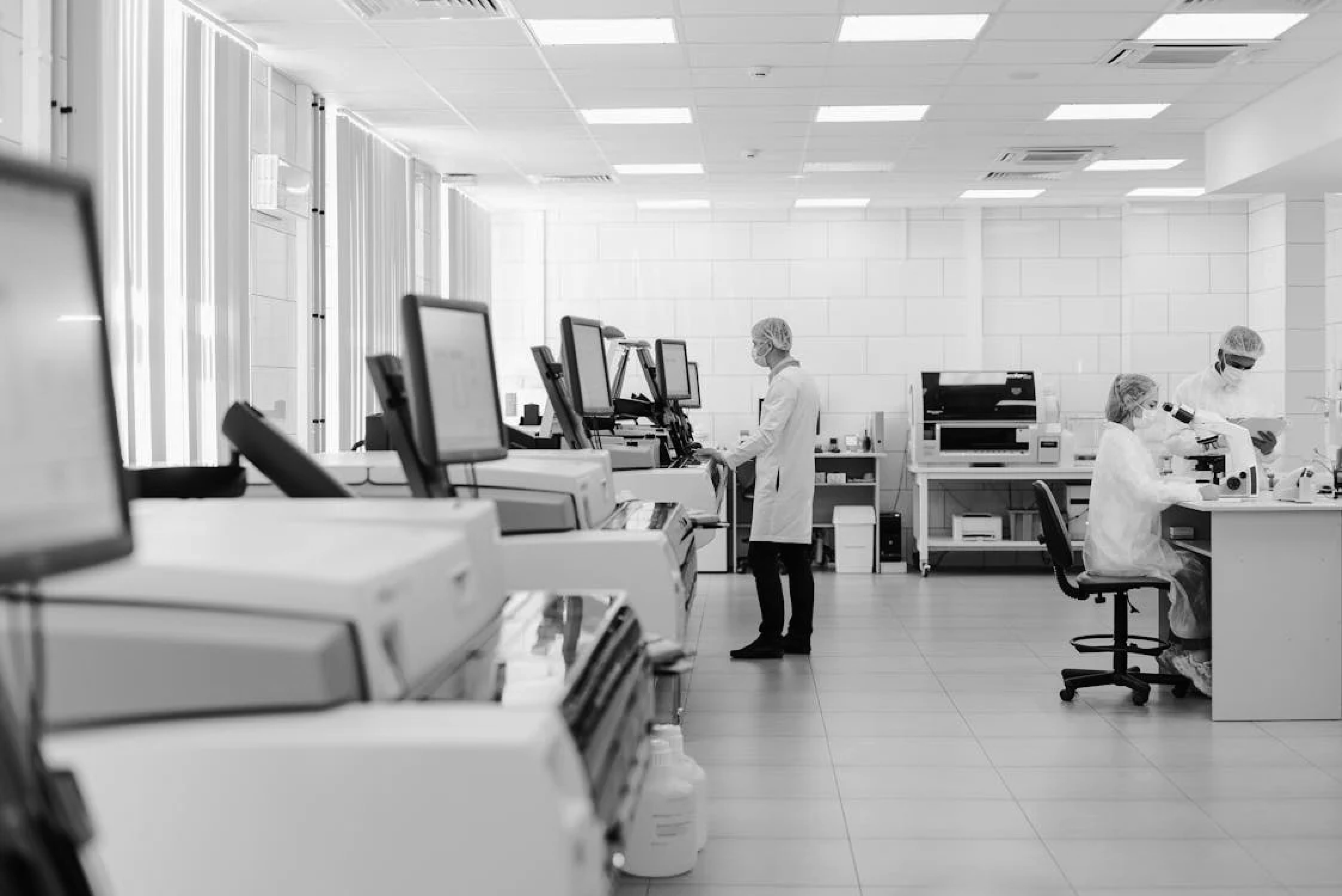
ASCP Certification is a professional certification program offered by the American Society for Clinical Pathology. It involves rigorous testing and verification of a candidate's knowledge and skills in the field of laboratory sciences, including pathology, laboratory management, and related areas. Certification is recognized as a mark of excellence and expertise in the industry, and may be required or preferred by employers in certain roles.
The bleeding time test is a specialized medical procedure that measures the time it takes for a small incision to stop bleeding. It is used to assess the function of platelets and detect clotting disorders. The test involves making a small incision on the skin and measuring the time it takes for bleeding to stop. This procedure is performed by trained medical professionals and requires specialized equipment and knowledge.
Medical Laboratory refers to a facility equipped for the examination and analysis of biological samples to diagnose diseases and monitor health. This skill encompasses techniques for collecting, processing, and interpreting laboratory data, which enables healthcare professionals to make informed decisions regarding patient care. Knowledge of Medical Laboratory practices is used to ensure accurate test results, maintain quality control, and adhere to safety regulations in the handling of specimens.
Specimen Analysis refers to the examination and evaluation of biological or physical samples to gather information about their composition, structure, and characteristics. This skill involves the application of various techniques and methodologies to identify, quantify, and interpret data from specimens, which can include tissues, fluids, or environmental samples. Knowledge of Specimen Analysis is utilized in fields such as medicine, environmental science, and research to support diagnosis, monitor health, and assess ecological conditions.
Specimen handling refers to the careful and efficient management of biological, environmental, or other material samples collected for analysis or testing. This process often involves the packaging, labeling, transportation, and storage of specimens in order to maintain sample integrity and accuracy of results, and requires specialized knowledge and skills in order to ensure safety and quality control. Proper specimen handling is critical in various industries including healthcare, research, and environmental testing.
Lightcast Skills Taxonomy

Lightcast Skills Resources

Plumbers’ Salaries in the US: Pay and Purchasing Power by State

Where Talent Wants to Be: The 2026 Talent Attraction Scorecard

It’s Scary That AI Might Give You Bad Data. It’s Terrifying That You Might Believe It.
Skills Hierarchy and Tags
Related Skills
Browse the most common related skills to this skill, based on the last 5 months of job postings data.
How does Lightcast define a skill?ASCP Certification is a professional certification program offered by the American Society for Clinical Pathology. It involves rigorous testing and verification of a candidate's knowledge and skills in the field of laboratory sciences, including pathology, laboratory management, and related areas. Certification is recognized as a mark of excellence and expertise in the industry, and may be required or preferred by employers in certain roles.
The bleeding time test is a specialized medical procedure that measures the time it takes for a small incision to stop bleeding. It is used to assess the function of platelets and detect clotting disorders. The test involves making a small incision on the skin and measuring the time it takes for bleeding to stop. This procedure is performed by trained medical professionals and requires specialized equipment and knowledge.
Medical Laboratory refers to a facility equipped for the examination and analysis of biological samples to diagnose diseases and monitor health. This skill encompasses techniques for collecting, processing, and interpreting laboratory data, which enables healthcare professionals to make informed decisions regarding patient care. Knowledge of Medical Laboratory practices is used to ensure accurate test results, maintain quality control, and adhere to safety regulations in the handling of specimens.
Specimen Analysis refers to the examination and evaluation of biological or physical samples to gather information about their composition, structure, and characteristics. This skill involves the application of various techniques and methodologies to identify, quantify, and interpret data from specimens, which can include tissues, fluids, or environmental samples. Knowledge of Specimen Analysis is utilized in fields such as medicine, environmental science, and research to support diagnosis, monitor health, and assess ecological conditions.
Specimen handling refers to the careful and efficient management of biological, environmental, or other material samples collected for analysis or testing. This process often involves the packaging, labeling, transportation, and storage of specimens in order to maintain sample integrity and accuracy of results, and requires specialized knowledge and skills in order to ensure safety and quality control. Proper specimen handling is critical in various industries including healthcare, research, and environmental testing.
Lightcast Skills Taxonomy
Lightcast Skills Resources
Plumbers’ Salaries in the US: Pay and Purchasing Power by State
Where Talent Wants to Be: The 2026 Talent Attraction Scorecard
It’s Scary That AI Might Give You Bad Data. It’s Terrifying That You Might Believe It.
Get API Access
This skill is part of the Lightcast Skills Taxonomy, a library of over 35,000 job related skills. It is the standard used by higher education institutions, public sector organizations and Fortune 500 companies around the globe.