
Agricultural Commodities
Agricultural Commodities refer to raw products derived from farming and agriculture, including crops and livestock that are traded in bulk on various markets. This skill encompasses knowledge of market trends, pricing mechanisms, and supply...
Skills Hierarchy and Tags
Related Skills
Browse the most common related skills to this skill, based on the last 5 months of job postings data.
How does Lightcast define a skill?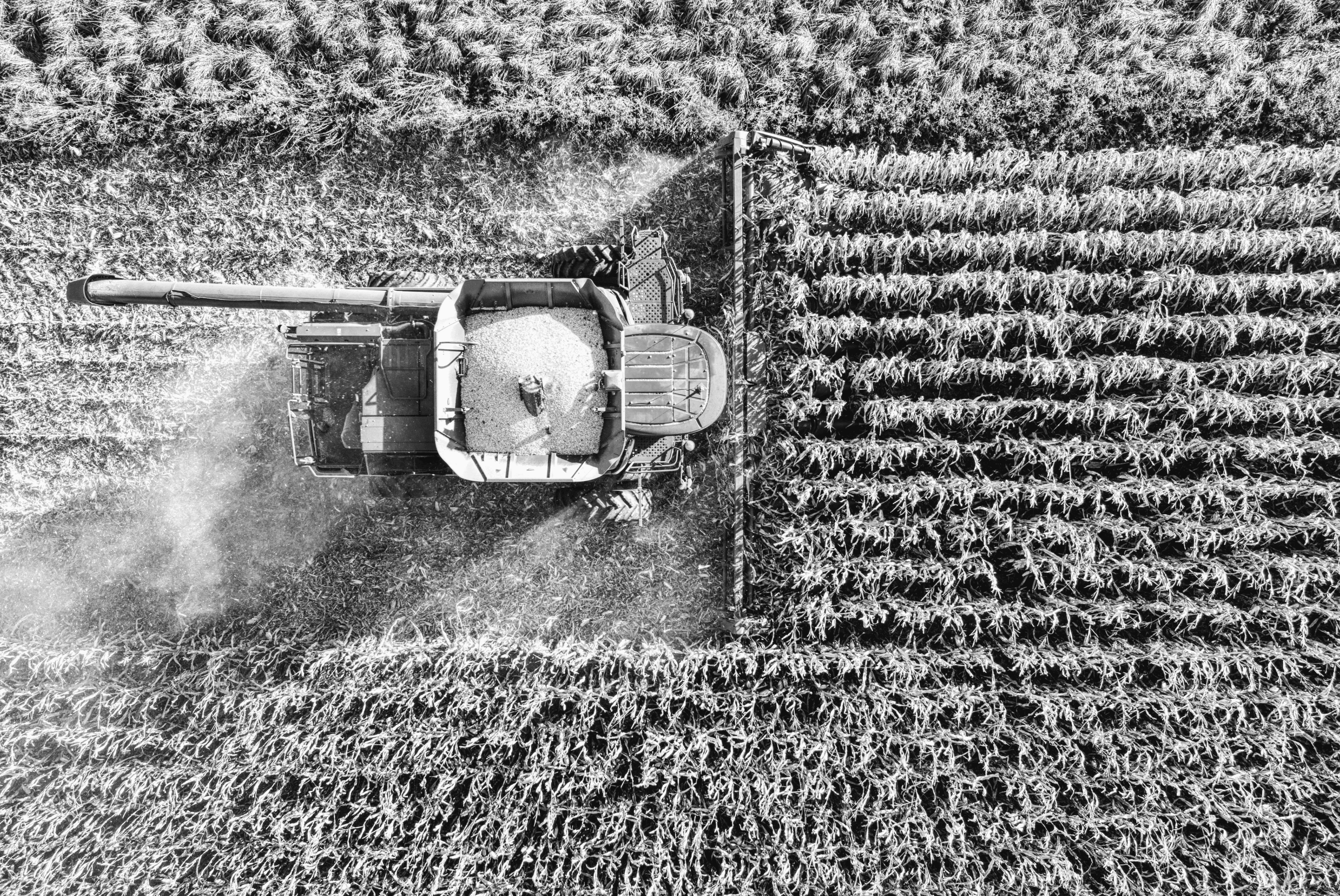
Agriculture refers to the practice of cultivating soil, growing crops, and raising animals for food, fiber, and other products used to sustain and enhance human life. This skill encompasses various techniques and knowledge related to plant and animal biology, soil management, pest control, and sustainable farming practices. Knowledge of Agriculture is used to improve crop yields, ensure food security, and promote environmental stewardship through effective resource management and innovative farming methods.
Entomology refers to the scientific study of insects, encompassing their biology, behavior, ecology, and taxonomy. This skill involves the analysis of insect life cycles, interactions with ecosystems, and their roles in agriculture and disease transmission. Knowledge of Entomology is used to inform pest management strategies, contribute to biodiversity conservation, and enhance agricultural practices by understanding insect populations and their impacts on crops and human health.
Insect collection is the specialized skill of identifying, capturing, preserving, and displaying various species of insects for study, research, or personal interest. It requires knowledge of entomology, taxonomy, and proper specimen handling and preservation techniques. The process involves using various tools, such as nets, traps, and killing jars, to capture and kill insects, followed by careful mounting and labeling for display or storage. Insect collection is commonly practiced by hobbyists, researchers, and professional entomologists.
The Marine Mammal Protection Act is a United States federal law that aims to protect marine mammals and their habitats in US waters by prohibiting their hunting, harassment, or capture. The act gives the National Marine Fisheries Service and the US Fish and Wildlife Service the power to regulate human interactions with marine mammals, such as requiring permits for scientific research and limiting incidental harm from fishing and shipping activities. The act also includes provisions for the conservation and recovery of endangered species, as well as penalties for those who violate its regulations. Understanding and navigating this complex law involves specialized knowledge and skills.
Natural Resource Management refers to the sustainable management of natural resources such as land, water, soil, plants, and animals to meet current and future human needs while preserving ecosystem health. This skill encompasses the assessment, planning, and implementation of strategies that balance environmental, economic, and social objectives. Knowledge of Natural Resource Management is used to develop policies and practices that promote conservation, enhance resource efficiency, and mitigate environmental impacts. It plays a critical role in addressing challenges such as climate change, habitat loss, and resource depletion.
Lightcast Skills Taxonomy

Lightcast Skills Resources

Plumbers’ Salaries in the US: Pay and Purchasing Power by State

Where Talent Wants to Be: The 2026 Talent Attraction Scorecard

It’s Scary That AI Might Give You Bad Data. It’s Terrifying That You Might Believe It.
Skills Hierarchy and Tags
Related Skills
Browse the most common related skills to this skill, based on the last 5 months of job postings data.
How does Lightcast define a skill?Agriculture refers to the practice of cultivating soil, growing crops, and raising animals for food, fiber, and other products used to sustain and enhance human life. This skill encompasses various techniques and knowledge related to plant and animal biology, soil management, pest control, and sustainable farming practices. Knowledge of Agriculture is used to improve crop yields, ensure food security, and promote environmental stewardship through effective resource management and innovative farming methods.
Entomology refers to the scientific study of insects, encompassing their biology, behavior, ecology, and taxonomy. This skill involves the analysis of insect life cycles, interactions with ecosystems, and their roles in agriculture and disease transmission. Knowledge of Entomology is used to inform pest management strategies, contribute to biodiversity conservation, and enhance agricultural practices by understanding insect populations and their impacts on crops and human health.
Insect collection is the specialized skill of identifying, capturing, preserving, and displaying various species of insects for study, research, or personal interest. It requires knowledge of entomology, taxonomy, and proper specimen handling and preservation techniques. The process involves using various tools, such as nets, traps, and killing jars, to capture and kill insects, followed by careful mounting and labeling for display or storage. Insect collection is commonly practiced by hobbyists, researchers, and professional entomologists.
The Marine Mammal Protection Act is a United States federal law that aims to protect marine mammals and their habitats in US waters by prohibiting their hunting, harassment, or capture. The act gives the National Marine Fisheries Service and the US Fish and Wildlife Service the power to regulate human interactions with marine mammals, such as requiring permits for scientific research and limiting incidental harm from fishing and shipping activities. The act also includes provisions for the conservation and recovery of endangered species, as well as penalties for those who violate its regulations. Understanding and navigating this complex law involves specialized knowledge and skills.
Natural Resource Management refers to the sustainable management of natural resources such as land, water, soil, plants, and animals to meet current and future human needs while preserving ecosystem health. This skill encompasses the assessment, planning, and implementation of strategies that balance environmental, economic, and social objectives. Knowledge of Natural Resource Management is used to develop policies and practices that promote conservation, enhance resource efficiency, and mitigate environmental impacts. It plays a critical role in addressing challenges such as climate change, habitat loss, and resource depletion.
Lightcast Skills Taxonomy
Lightcast Skills Resources
Plumbers’ Salaries in the US: Pay and Purchasing Power by State
Where Talent Wants to Be: The 2026 Talent Attraction Scorecard
It’s Scary That AI Might Give You Bad Data. It’s Terrifying That You Might Believe It.
Get API Access
This skill is part of the Lightcast Skills Taxonomy, a library of over 35,000 job related skills. It is the standard used by higher education institutions, public sector organizations and Fortune 500 companies around the globe.