
Application Infrastructure Design
About
Application Infrastructure Design refers to the planning, configuration, and management of the hardware, networks, servers, and cloud resources that support software applications. This skill involves designing scalable, reliable, and secure...
Related Skills
Browse the most common related skills to this skill, based on the last 5 months of job postings data.
How does Lightcast define a skill?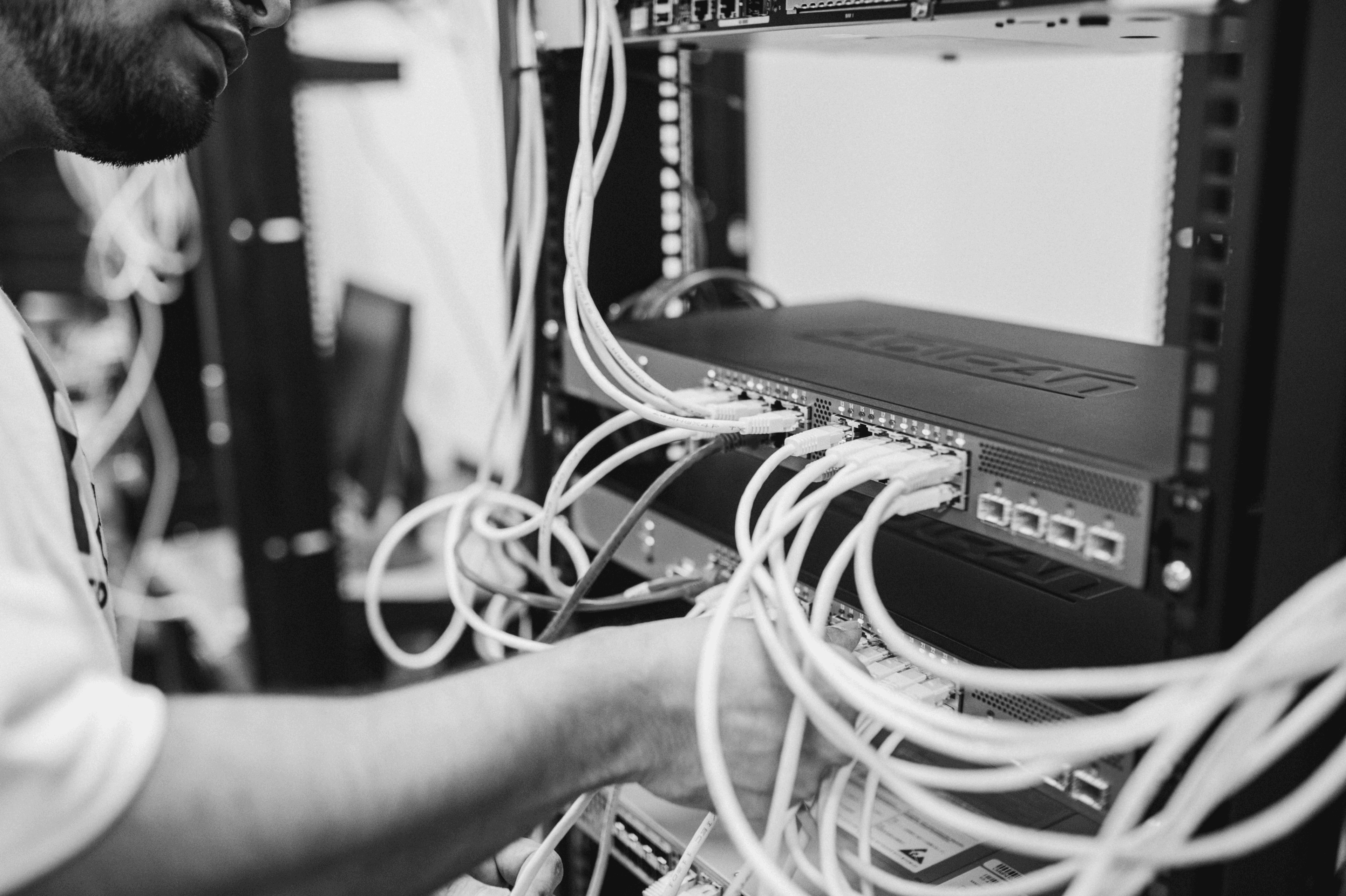
Application Deployment is the ability to capture new solution requirements for business and technical challenges related to value-added use cases. This skill involves the process of implementing and releasing software applications, ensuring that they meet specified requirements and are effectively integrated into the existing business environment. Users with this skill contribute to the successful deployment of applications, facilitating the resolution of business and technical issues to enhance overall operational efficiency.
Application environments refer to the different environments that software applications are deployed and run in, including development, testing, staging, and production. It involves setting up the necessary infrastructure, configurations, and parameters for the application to function optimally in each environment. Skilled professionals in this area are responsible for ensuring the stability, availability, and security of the software in these different environments.
Application Hosting refers to the deployment, management, and operation of software applications on hosted infrastructure, which uses servers, networks, and storage resources to ensure accessibility and performance. This skill involves configuring environments, monitoring application performance, and maintaining uptime and security. It is used to enable users or clients to access applications remotely while ensuring reliability and scalability.
Application Monitoring refers to the process of overseeing and managing the operational performance and availability of software applications. It involves tracking key metrics such as response time, load time, error rates, and server uptime to ensure optimal functionality. This skill also includes identifying, diagnosing, and resolving application issues, often using specialized monitoring tools. It requires a strong understanding of application architectures, network protocols, and cloud computing. Proficiency in Application Monitoring contributes to improved user experience, system reliability, and overall business performance.
Dynatrace is an application performance management (APM) software that uses artificial intelligence to help monitor, analyze, and optimize the performance of software applications in real-time. It provides end-to-end visibility into the digital ecosystem, including cloud, hybrid environments, and edge devices, helping businesses to improve user experiences and maintain operational efficiency. Dynatrace offers various features such as performance analysis, root cause analysis, and automated problem detection and resolution to help organizations enhance their digital performance.
Lightcast Skills Taxonomy
Looking for a specific skill? Search our library. Explore 35,000+ skills that we've collected from hundreds of millions of job postings, resumes, and online profiles.
The Lightcast Skills Taxonomy delivers clarity by allowing everyone to speak the same language. Use our APIs to articulate your skills needs, and leave the details to us: our dedicated team of taxonomists and engineers cleans, checks, and updates each entry so that you always have the most accurate and up-to-date picture of the labor market.
Are you a nonprofit pursuing a public good? Lightcast Skills APIs are freely available to you because we believe in using data for good and creating a labor market that works for everyone. Through the shared language of skills, we can enable a world where every worker and every job can find their best fits as efficiently and easily as possible.
Browse Skill Categories

Lightcast Skills Resources

Q: What is a Forward Deployed Engineer? A: The fastest growing AI job.

Degree Requirements are Dropping—But They’re Still Higher for AI Jobs

He Tried College Three Times. Then He Found a Career With No Ceiling.
About
Application Infrastructure Design refers to the planning, configuration, and management of the hardware, networks, servers, and cloud resources that support software applications. This skill involves designing scalable, reliable, and secure...
Related Skills
Browse the most common related skills to this skill, based on the last 5 months of job postings data.
How does Lightcast define a skill?Application Deployment is the ability to capture new solution requirements for business and technical challenges related to value-added use cases. This skill involves the process of implementing and releasing software applications, ensuring that they meet specified requirements and are effectively integrated into the existing business environment. Users with this skill contribute to the successful deployment of applications, facilitating the resolution of business and technical issues to enhance overall operational efficiency.
Application environments refer to the different environments that software applications are deployed and run in, including development, testing, staging, and production. It involves setting up the necessary infrastructure, configurations, and parameters for the application to function optimally in each environment. Skilled professionals in this area are responsible for ensuring the stability, availability, and security of the software in these different environments.
Application Hosting refers to the deployment, management, and operation of software applications on hosted infrastructure, which uses servers, networks, and storage resources to ensure accessibility and performance. This skill involves configuring environments, monitoring application performance, and maintaining uptime and security. It is used to enable users or clients to access applications remotely while ensuring reliability and scalability.
Application Monitoring refers to the process of overseeing and managing the operational performance and availability of software applications. It involves tracking key metrics such as response time, load time, error rates, and server uptime to ensure optimal functionality. This skill also includes identifying, diagnosing, and resolving application issues, often using specialized monitoring tools. It requires a strong understanding of application architectures, network protocols, and cloud computing. Proficiency in Application Monitoring contributes to improved user experience, system reliability, and overall business performance.
Dynatrace is an application performance management (APM) software that uses artificial intelligence to help monitor, analyze, and optimize the performance of software applications in real-time. It provides end-to-end visibility into the digital ecosystem, including cloud, hybrid environments, and edge devices, helping businesses to improve user experiences and maintain operational efficiency. Dynatrace offers various features such as performance analysis, root cause analysis, and automated problem detection and resolution to help organizations enhance their digital performance.
Lightcast Skills Taxonomy
Looking for a specific skill? Search our library. Explore 35,000+ skills that we've collected from hundreds of millions of job postings, resumes, and online profiles.
The Lightcast Skills Taxonomy delivers clarity by allowing everyone to speak the same language. Use our APIs to articulate your skills needs, and leave the details to us: our dedicated team of taxonomists and engineers cleans, checks, and updates each entry so that you always have the most accurate and up-to-date picture of the labor market.
Are you a nonprofit pursuing a public good? Lightcast Skills APIs are freely available to you because we believe in using data for good and creating a labor market that works for everyone. Through the shared language of skills, we can enable a world where every worker and every job can find their best fits as efficiently and easily as possible.
Browse Skill Categories
Lightcast Skills Resources
Q: What is a Forward Deployed Engineer? A: The fastest growing AI job.
Degree Requirements are Dropping—But They’re Still Higher for AI Jobs
He Tried College Three Times. Then He Found a Career With No Ceiling.
Get API Access
This skill is part of the Lightcast Skills Taxonomy, a library of over 35,000 job related skills. It is the standard used by higher education institutions, public sector organizations and Fortune 500 companies around the globe.