
Prototype Development
About
Prototype Development involves creating an initial version of a product or system to test functionality, design, and feasibility before full-scale production. It includes iterative design, material selection, and performance evaluation to r...
Related Skills
Browse the most common related skills to this skill, based on the last 5 months of job postings data.
How does Lightcast define a skill?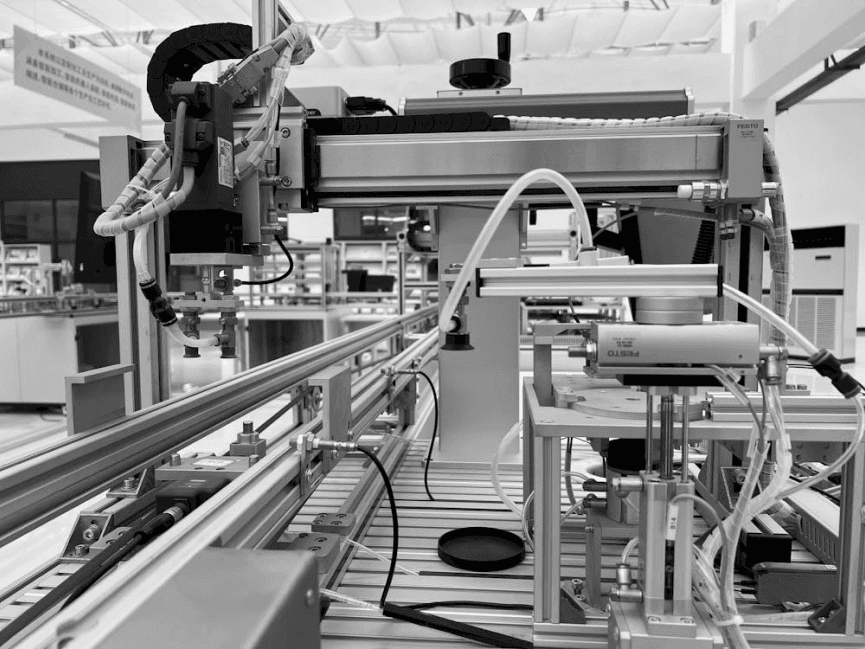
Dynamic simulation is the process of creating a computer model that simulates the behavior of a system over time, showing how it responds to various inputs and changes. This specialized skill involves knowledge of a variety of software tools, as well as an understanding of the underlying principles of dynamic systems, control theory, and risk analysis. Dynamic simulation is used in a wide range of industries, from manufacturing and engineering to finance and healthcare. It allows analysts to test and refine designs and strategies, identify potential problems, and optimize performance. Effective use of dynamic simulation requires both technical expertise and practical experience.
Optical Systems involve the design, development, and application of devices that manipulate light, such as lenses, mirrors, and fiber optics. These systems are used in fields such as telecommunications, imaging, laser technology, and scientific instrumentation. Proper design and implementation enhance performance in applications like microscopy, optical communication, and precision measurement.
Thermal Analysis refers to a set of techniques used to study the thermal properties of materials as they are subjected to controlled temperature changes. This skill encompasses methods such as differential scanning calorimetry and thermogravimetric analysis, which enable the assessment of phase transitions, thermal stability, and compositional changes in materials. Knowledge of Thermal Analysis is applied in various fields, including materials science, chemistry, and engineering, to optimize material performance and ensure quality control in product development.
Thermal Design refers to the process of planning and evaluating how heat is generated, transferred, and controlled in a system or product. It is used to support safe and reliable operation by selecting materials, shaping components, and arranging cooling or insulation methods. This skill is applied in work involving equipment, buildings, electronics, and other engineered systems where temperature management affects performance and durability.
Thermal Engineering is a specialized field of engineering that deals with the study and application of thermodynamics, heat transfer, and related subjects. It involves designing, analyzing, and optimizing systems and processes that involve the transfer of energy in the form of heat. This discipline is crucial in the development of various industries like power generation, refrigeration, and air conditioning, among others. It requires expertise in areas such as thermodynamics, fluid mechanics, heat transfer, and energy conversion. Professionals in this field must have a strong foundation in math and physics, and they use advanced techniques and tools to model and simulate complex systems.
Lightcast Skills Taxonomy
Looking for a specific skill? Search our library. Explore 35,000+ skills that we've collected from hundreds of millions of job postings, resumes, and online profiles.
The Lightcast Skills Taxonomy delivers clarity by allowing everyone to speak the same language. Use our APIs to articulate your skills needs, and leave the details to us: our dedicated team of taxonomists and engineers cleans, checks, and updates each entry so that you always have the most accurate and up-to-date picture of the labor market.
Are you a nonprofit pursuing a public good? Lightcast Skills APIs are freely available to you because we believe in using data for good and creating a labor market that works for everyone. Through the shared language of skills, we can enable a world where every worker and every job can find their best fits as efficiently and easily as possible.
Browse Skill Categories

Lightcast Skills Resources

Q: What is a Forward Deployed Engineer? A: The fastest growing AI job.

Degree Requirements are Dropping—But They’re Still Higher for AI Jobs

He Tried College Three Times. Then He Found a Career With No Ceiling.
About
Prototype Development involves creating an initial version of a product or system to test functionality, design, and feasibility before full-scale production. It includes iterative design, material selection, and performance evaluation to r...
Related Skills
Browse the most common related skills to this skill, based on the last 5 months of job postings data.
How does Lightcast define a skill?Dynamic simulation is the process of creating a computer model that simulates the behavior of a system over time, showing how it responds to various inputs and changes. This specialized skill involves knowledge of a variety of software tools, as well as an understanding of the underlying principles of dynamic systems, control theory, and risk analysis. Dynamic simulation is used in a wide range of industries, from manufacturing and engineering to finance and healthcare. It allows analysts to test and refine designs and strategies, identify potential problems, and optimize performance. Effective use of dynamic simulation requires both technical expertise and practical experience.
Optical Systems involve the design, development, and application of devices that manipulate light, such as lenses, mirrors, and fiber optics. These systems are used in fields such as telecommunications, imaging, laser technology, and scientific instrumentation. Proper design and implementation enhance performance in applications like microscopy, optical communication, and precision measurement.
Thermal Analysis refers to a set of techniques used to study the thermal properties of materials as they are subjected to controlled temperature changes. This skill encompasses methods such as differential scanning calorimetry and thermogravimetric analysis, which enable the assessment of phase transitions, thermal stability, and compositional changes in materials. Knowledge of Thermal Analysis is applied in various fields, including materials science, chemistry, and engineering, to optimize material performance and ensure quality control in product development.
Thermal Design refers to the process of planning and evaluating how heat is generated, transferred, and controlled in a system or product. It is used to support safe and reliable operation by selecting materials, shaping components, and arranging cooling or insulation methods. This skill is applied in work involving equipment, buildings, electronics, and other engineered systems where temperature management affects performance and durability.
Thermal Engineering is a specialized field of engineering that deals with the study and application of thermodynamics, heat transfer, and related subjects. It involves designing, analyzing, and optimizing systems and processes that involve the transfer of energy in the form of heat. This discipline is crucial in the development of various industries like power generation, refrigeration, and air conditioning, among others. It requires expertise in areas such as thermodynamics, fluid mechanics, heat transfer, and energy conversion. Professionals in this field must have a strong foundation in math and physics, and they use advanced techniques and tools to model and simulate complex systems.
Lightcast Skills Taxonomy
Looking for a specific skill? Search our library. Explore 35,000+ skills that we've collected from hundreds of millions of job postings, resumes, and online profiles.
The Lightcast Skills Taxonomy delivers clarity by allowing everyone to speak the same language. Use our APIs to articulate your skills needs, and leave the details to us: our dedicated team of taxonomists and engineers cleans, checks, and updates each entry so that you always have the most accurate and up-to-date picture of the labor market.
Are you a nonprofit pursuing a public good? Lightcast Skills APIs are freely available to you because we believe in using data for good and creating a labor market that works for everyone. Through the shared language of skills, we can enable a world where every worker and every job can find their best fits as efficiently and easily as possible.
Browse Skill Categories
Lightcast Skills Resources
Q: What is a Forward Deployed Engineer? A: The fastest growing AI job.
Degree Requirements are Dropping—But They’re Still Higher for AI Jobs
He Tried College Three Times. Then He Found a Career With No Ceiling.
Get API Access
This skill is part of the Lightcast Skills Taxonomy, a library of over 35,000 job related skills. It is the standard used by higher education institutions, public sector organizations and Fortune 500 companies around the globe.