
Blister Packs
About
Blister Packs refer to a type of packaging that consists of a pre-formed plastic cavity or pocket, typically used to contain and protect products such as pharmaceuticals, consumer goods, and electronics. This skill involves the design and p...
Related Skills
Browse the most common related skills to this skill, based on the last 5 months of job postings data.
How does Lightcast define a skill?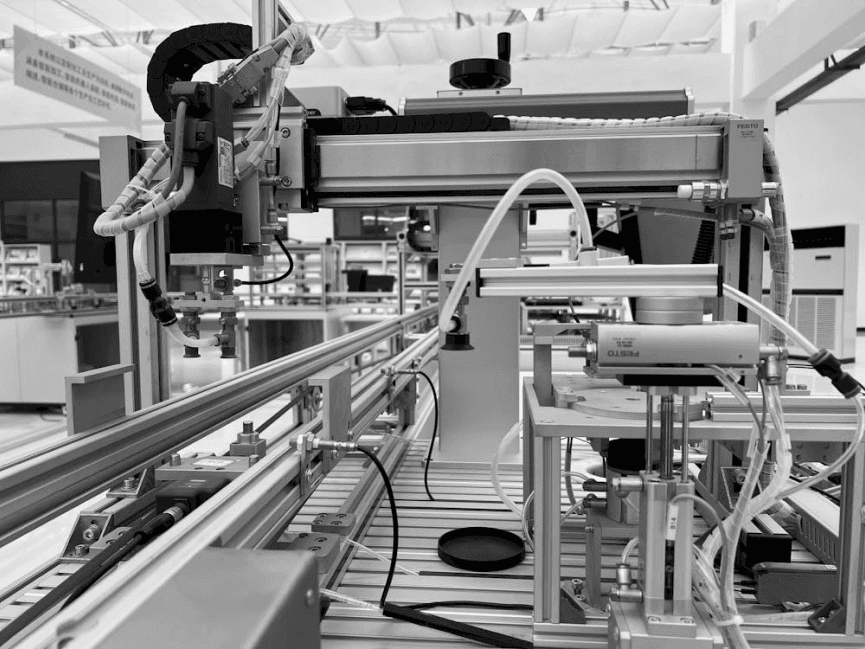
Compounding Medications refers to the process of preparing customized pharmaceutical products by mixing, altering, or combining ingredients to meet the specific needs of an individual patient. This skill involves calculating dosages, selecting appropriate bases or vehicles, and adhering to sterile or non-sterile preparation standards and safety regulations. It is used to provide alternative strengths, dosage forms, or allergen-free formulations when commercially available medications do not meet clinical requirements.
Dosage Form refers to the physical form in which a medication is produced and administered, such as tablets, capsules, liquids, or injections. This skill encompasses knowledge of formulation science, which involves the design and development of these various forms to ensure optimal delivery and efficacy of the active pharmaceutical ingredients. Understanding Dosage Form is used to evaluate factors such as absorption, stability, and patient compliance, ultimately guiding the selection of the most appropriate form for specific therapeutic needs.
Pharmacy Intern License refers to the credential that authorizes a person to perform pharmacy internship activities under required supervision. It indicates that the holder has met regulatory requirements to assist with medication preparation, dispensing support, recordkeeping, and related duties in a pharmacy setting. The skill is applied in work contexts where compliance with pharmacy rules and supervised practice are required.
Pharmacy Records refers to the systematic management of medication and prescription documentation within pharmacy operations. It includes recording, updating, and retrieving information needed to support dispensing activities, patient care, inventory control, and regulatory compliance. It is applied in work settings to ensure accurate recordkeeping, facilitate communication among health care professionals, and support audits and reporting.
Sterile Products refer to pharmaceutical or medical products that are free from viable microorganisms and are produced under controlled conditions to ensure their sterility. This skill encompasses knowledge of aseptic techniques, sterilization processes, and quality control measures necessary for the safe preparation and handling of these products. Understanding Sterile Products is used to ensure patient safety and efficacy in treatments by preventing contamination and maintaining the integrity of the products throughout their lifecycle.
Lightcast Skills Taxonomy
Looking for a specific skill? Search our library. Explore 35,000+ skills that we've collected from hundreds of millions of job postings, resumes, and online profiles.
The Lightcast Skills Taxonomy delivers clarity by allowing everyone to speak the same language. Use our APIs to articulate your skills needs, and leave the details to us: our dedicated team of taxonomists and engineers cleans, checks, and updates each entry so that you always have the most accurate and up-to-date picture of the labor market.
Are you a nonprofit pursuing a public good? Lightcast Skills APIs are freely available to you because we believe in using data for good and creating a labor market that works for everyone. Through the shared language of skills, we can enable a world where every worker and every job can find their best fits as efficiently and easily as possible.
Browse Skill Categories

Lightcast Skills Resources

Q: What is a Forward Deployed Engineer? A: The fastest growing AI job.

Degree Requirements are Dropping—But They’re Still Higher for AI Jobs

He Tried College Three Times. Then He Found a Career With No Ceiling.
About
Blister Packs refer to a type of packaging that consists of a pre-formed plastic cavity or pocket, typically used to contain and protect products such as pharmaceuticals, consumer goods, and electronics. This skill involves the design and p...
Related Skills
Browse the most common related skills to this skill, based on the last 5 months of job postings data.
How does Lightcast define a skill?Compounding Medications refers to the process of preparing customized pharmaceutical products by mixing, altering, or combining ingredients to meet the specific needs of an individual patient. This skill involves calculating dosages, selecting appropriate bases or vehicles, and adhering to sterile or non-sterile preparation standards and safety regulations. It is used to provide alternative strengths, dosage forms, or allergen-free formulations when commercially available medications do not meet clinical requirements.
Dosage Form refers to the physical form in which a medication is produced and administered, such as tablets, capsules, liquids, or injections. This skill encompasses knowledge of formulation science, which involves the design and development of these various forms to ensure optimal delivery and efficacy of the active pharmaceutical ingredients. Understanding Dosage Form is used to evaluate factors such as absorption, stability, and patient compliance, ultimately guiding the selection of the most appropriate form for specific therapeutic needs.
Pharmacy Intern License refers to the credential that authorizes a person to perform pharmacy internship activities under required supervision. It indicates that the holder has met regulatory requirements to assist with medication preparation, dispensing support, recordkeeping, and related duties in a pharmacy setting. The skill is applied in work contexts where compliance with pharmacy rules and supervised practice are required.
Pharmacy Records refers to the systematic management of medication and prescription documentation within pharmacy operations. It includes recording, updating, and retrieving information needed to support dispensing activities, patient care, inventory control, and regulatory compliance. It is applied in work settings to ensure accurate recordkeeping, facilitate communication among health care professionals, and support audits and reporting.
Sterile Products refer to pharmaceutical or medical products that are free from viable microorganisms and are produced under controlled conditions to ensure their sterility. This skill encompasses knowledge of aseptic techniques, sterilization processes, and quality control measures necessary for the safe preparation and handling of these products. Understanding Sterile Products is used to ensure patient safety and efficacy in treatments by preventing contamination and maintaining the integrity of the products throughout their lifecycle.
Lightcast Skills Taxonomy
Looking for a specific skill? Search our library. Explore 35,000+ skills that we've collected from hundreds of millions of job postings, resumes, and online profiles.
The Lightcast Skills Taxonomy delivers clarity by allowing everyone to speak the same language. Use our APIs to articulate your skills needs, and leave the details to us: our dedicated team of taxonomists and engineers cleans, checks, and updates each entry so that you always have the most accurate and up-to-date picture of the labor market.
Are you a nonprofit pursuing a public good? Lightcast Skills APIs are freely available to you because we believe in using data for good and creating a labor market that works for everyone. Through the shared language of skills, we can enable a world where every worker and every job can find their best fits as efficiently and easily as possible.
Browse Skill Categories
Lightcast Skills Resources
Q: What is a Forward Deployed Engineer? A: The fastest growing AI job.
Degree Requirements are Dropping—But They’re Still Higher for AI Jobs
He Tried College Three Times. Then He Found a Career With No Ceiling.
Get API Access
This skill is part of the Lightcast Skills Taxonomy, a library of over 35,000 job related skills. It is the standard used by higher education institutions, public sector organizations and Fortune 500 companies around the globe.