
Formal Learning
About
Formal Learning refers to structured educational experiences that occur in institutional settings, such as schools, colleges, and universities. This skill encompasses the understanding of curricula, instructional methods, and assessment tec...
Related Skills
Browse the most common related skills to this skill, based on the last 5 months of job postings data.
How does Lightcast define a skill?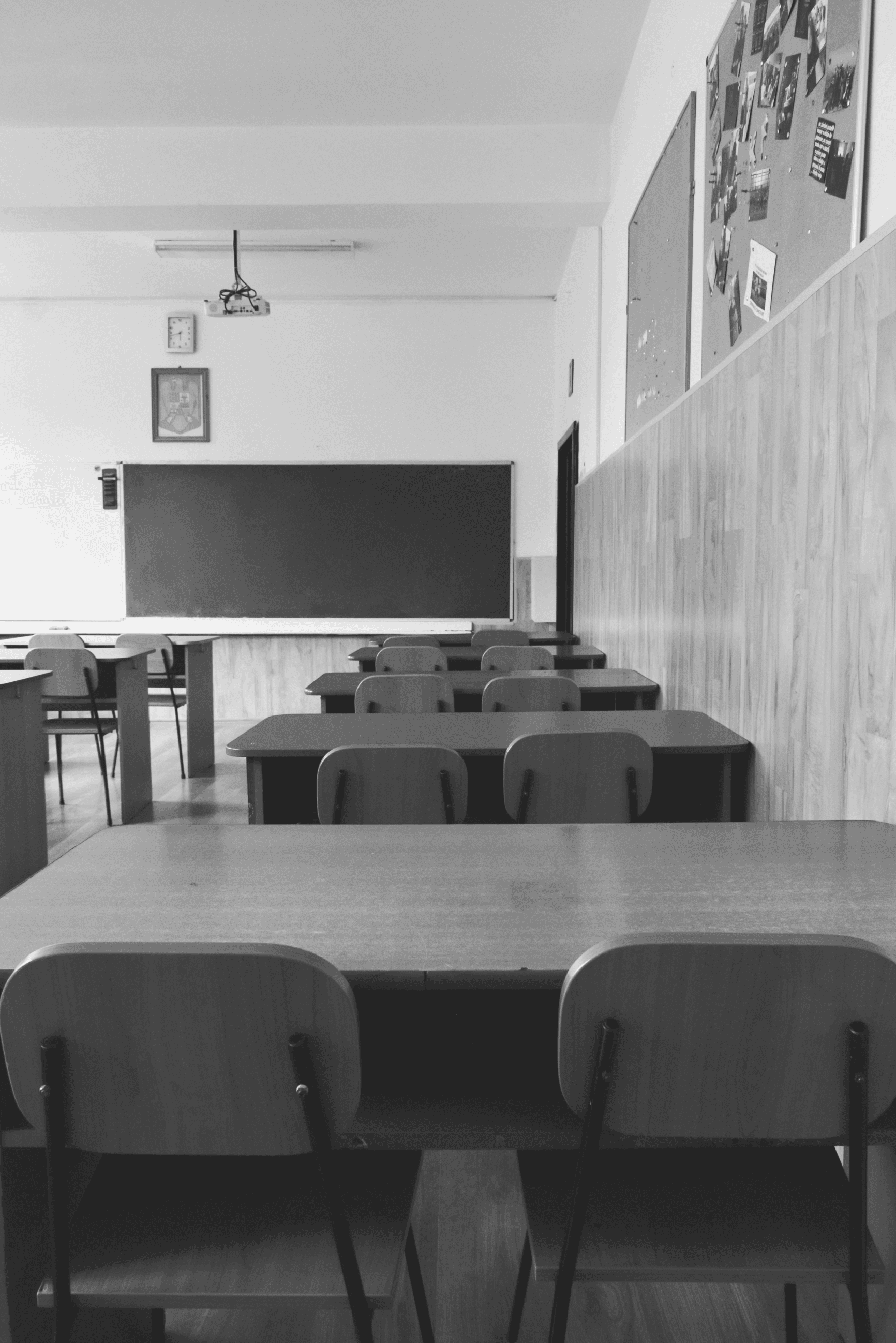
Diplomacy refers to the art of building and maintaining relationships with individuals, groups, or countries for the purpose of achieving common goals. It involves effective communication, negotiation, and mediation skills. The skill of diplomacy is especially important in international relations, as it allows countries to resolve conflicts peacefully, build alliances, and promote cooperation. Diplomacy is a common skill that can be developed and practiced in various settings, such as business, politics, and personal relationships.
Leadership is a skill that is common among successful individuals in various fields. It involves the ability to motivate and guide a team towards achieving common goals. Good leadership qualities include effective communication, empathy, decision-making skills, adaptability, and vision. Leadership can be developed and honed through training, practice, and learning from others.
Patience is a skill that is widely valued in today's society. It involves the ability to remain calm and composed in the face of difficult or frustrating situations, and to persevere through obstacles and setbacks without becoming discouraged. Developing patience can be beneficial in a variety of contexts, from workplace challenges to personal relationships, and can help individuals achieve their goals and live a fulfilling life.
Politeness is a social skill that involves being respectful, considerate, and courteous in one's interactions with others. It is a universal trait that is valued in all cultures and can help people build positive relationships and avoid conflict. Politeness can be expressed through verbal and nonverbal communication, and it can be learned and practiced through conscious effort and modeling.
Tactfulness refers to the ability to communicate and act with sensitivity, discretion, and consideration for others. In work settings, this skill is used to address difficult topics, manage disagreements, and deliver information in a manner that supports respect and cooperation. It helps maintain professional relationships while reducing the risk of offense, misunderstanding, or unnecessary conflict.
Lightcast Skills Taxonomy
Looking for a specific skill? Search our library. Explore 35,000+ skills that we've collected from hundreds of millions of job postings, resumes, and online profiles.
The Lightcast Skills Taxonomy delivers clarity by allowing everyone to speak the same language. Use our APIs to articulate your skills needs, and leave the details to us: our dedicated team of taxonomists and engineers cleans, checks, and updates each entry so that you always have the most accurate and up-to-date picture of the labor market.
Are you a nonprofit pursuing a public good? Lightcast Skills APIs are freely available to you because we believe in using data for good and creating a labor market that works for everyone. Through the shared language of skills, we can enable a world where every worker and every job can find their best fits as efficiently and easily as possible.
Browse Skill Categories

Lightcast Skills Resources

Q: What is a Forward Deployed Engineer? A: The fastest growing AI job.

Degree Requirements are Dropping—But They’re Still Higher for AI Jobs

He Tried College Three Times. Then He Found a Career With No Ceiling.
About
Formal Learning refers to structured educational experiences that occur in institutional settings, such as schools, colleges, and universities. This skill encompasses the understanding of curricula, instructional methods, and assessment tec...
Related Skills
Browse the most common related skills to this skill, based on the last 5 months of job postings data.
How does Lightcast define a skill?Diplomacy refers to the art of building and maintaining relationships with individuals, groups, or countries for the purpose of achieving common goals. It involves effective communication, negotiation, and mediation skills. The skill of diplomacy is especially important in international relations, as it allows countries to resolve conflicts peacefully, build alliances, and promote cooperation. Diplomacy is a common skill that can be developed and practiced in various settings, such as business, politics, and personal relationships.
Leadership is a skill that is common among successful individuals in various fields. It involves the ability to motivate and guide a team towards achieving common goals. Good leadership qualities include effective communication, empathy, decision-making skills, adaptability, and vision. Leadership can be developed and honed through training, practice, and learning from others.
Patience is a skill that is widely valued in today's society. It involves the ability to remain calm and composed in the face of difficult or frustrating situations, and to persevere through obstacles and setbacks without becoming discouraged. Developing patience can be beneficial in a variety of contexts, from workplace challenges to personal relationships, and can help individuals achieve their goals and live a fulfilling life.
Politeness is a social skill that involves being respectful, considerate, and courteous in one's interactions with others. It is a universal trait that is valued in all cultures and can help people build positive relationships and avoid conflict. Politeness can be expressed through verbal and nonverbal communication, and it can be learned and practiced through conscious effort and modeling.
Tactfulness refers to the ability to communicate and act with sensitivity, discretion, and consideration for others. In work settings, this skill is used to address difficult topics, manage disagreements, and deliver information in a manner that supports respect and cooperation. It helps maintain professional relationships while reducing the risk of offense, misunderstanding, or unnecessary conflict.
Lightcast Skills Taxonomy
Looking for a specific skill? Search our library. Explore 35,000+ skills that we've collected from hundreds of millions of job postings, resumes, and online profiles.
The Lightcast Skills Taxonomy delivers clarity by allowing everyone to speak the same language. Use our APIs to articulate your skills needs, and leave the details to us: our dedicated team of taxonomists and engineers cleans, checks, and updates each entry so that you always have the most accurate and up-to-date picture of the labor market.
Are you a nonprofit pursuing a public good? Lightcast Skills APIs are freely available to you because we believe in using data for good and creating a labor market that works for everyone. Through the shared language of skills, we can enable a world where every worker and every job can find their best fits as efficiently and easily as possible.
Browse Skill Categories
Lightcast Skills Resources
Q: What is a Forward Deployed Engineer? A: The fastest growing AI job.
Degree Requirements are Dropping—But They’re Still Higher for AI Jobs
He Tried College Three Times. Then He Found a Career With No Ceiling.
Get API Access
This skill is part of the Lightcast Skills Taxonomy, a library of over 35,000 job related skills. It is the standard used by higher education institutions, public sector organizations and Fortune 500 companies around the globe.